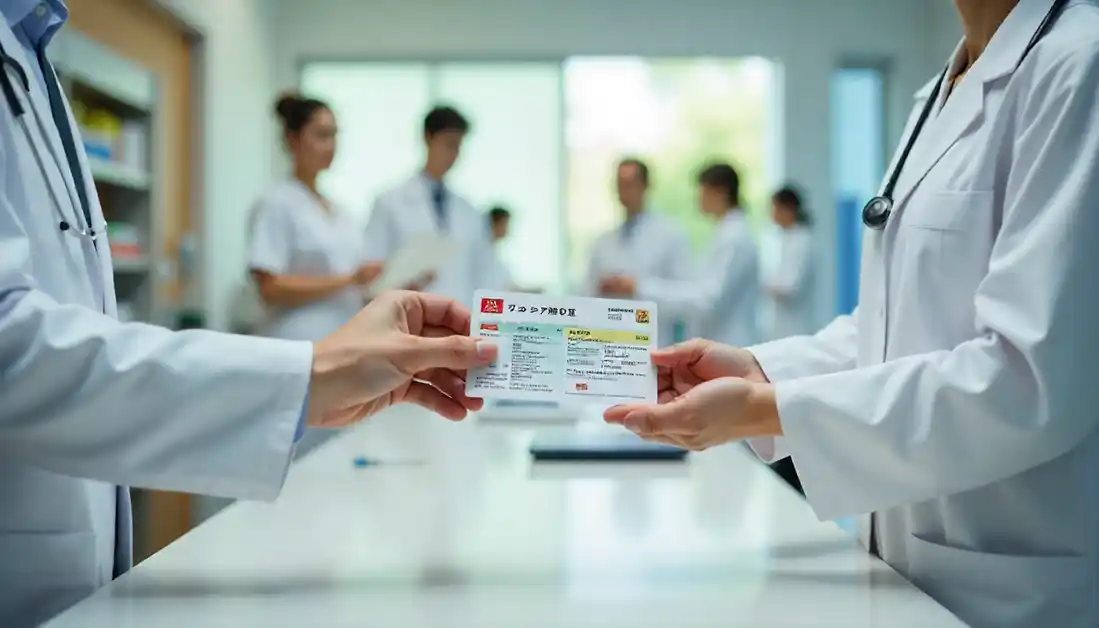
Imagine walking into a bustling Japanese hospital or clinic and seeing a small, colorful card handed to patients as they leave. This card, known as the soutaipasu, might appear simple at first glance, but it carries a wealth of information and plays a crucial role in the healthcare system. Understanding what a soutaipasu is, why it’s important, and how it’s used can shed light on a unique aspect of Japanese medical culture.
What Is Soutaipasu?
The term soutaipasu (相対パス) literally translates to “relative pass” or “relative card,” but in the context of Japanese healthcare, it refers to a patient referral card. When a patient visits a primary care doctor or clinic and needs specialized treatment, the doctor issues a soutaipasu to refer the patient to a hospital or specialist. This card contains essential medical information and details about the referral.
Unlike a simple note or verbal instruction, the soutaipasu formalizes the referral process. It ensures that the receiving medical institution has the necessary background to provide appropriate care without unnecessary repetition of tests or procedures. The card typically includes the patient’s personal information, diagnosis, treatment history, and the reason for referral.
How Does Soutaipasu Differ from Other Referral Methods?
In many countries, referrals might be communicated via phone calls, emails, or handwritten notes. Japan’s soutaipasu system is more standardized and formalized. It acts as a tangible document that patients carry with them, making the referral process transparent and traceable.
This approach reduces miscommunication and streamlines the patient’s journey through the healthcare system. It also helps maintain continuity of care, especially when multiple healthcare providers are involved. The soutaipasu not only serves as a bridge between primary care and specialized services but also empowers patients by providing them with a clear record of their medical journey. Patients can present this card at various healthcare facilities, ensuring that all providers have access to pertinent information, which can significantly enhance the quality of care they receive.
Moreover, the soutaipasu system reflects Japan’s commitment to an organized healthcare infrastructure. By utilizing this referral card, healthcare professionals can more effectively collaborate, ensuring that patients receive timely interventions tailored to their specific needs. This level of coordination is particularly beneficial in managing chronic conditions, where ongoing treatment and monitoring are crucial. As healthcare continues to evolve, the soutaipasu remains a vital tool in promoting patient-centered care and enhancing the overall efficiency of the healthcare system in Japan.
The Historical Background of Soutaipasu
The concept of referral cards like the soutaipasu has roots in Japan’s post-war healthcare reforms. As the country rebuilt its medical infrastructure, there was a push to create more efficient systems for managing patient care. The soutaipasu emerged as a practical solution to coordinate between primary care physicians and specialists. This initiative was part of a broader movement to enhance the quality of healthcare services and ensure that patients received timely and appropriate treatment. The introduction of the soutaipasu was not just a bureaucratic measure; it represented a fundamental shift towards a more integrated approach to healthcare delivery.
Over time, the card evolved from a simple paper note to a more detailed document, sometimes incorporating digital elements in modern clinics. Its use became widespread, reflecting Japan’s emphasis on organized, patient-centered healthcare. The evolution of the soutaipasu also mirrored advancements in technology, with many clinics adopting electronic health records that seamlessly integrate referral information. This transition not only improved the efficiency of patient management but also enhanced communication among healthcare providers, ultimately leading to better patient outcomes.
Why Was Soutaipasu Necessary?
Japan’s healthcare system is known for its accessibility and high standards, but it also faces challenges such as an aging population and increasing demand for specialized care. The soutaipasu helps manage these pressures by ensuring patients are directed appropriately and efficiently. As the demographic landscape shifts, with a growing number of elderly patients requiring complex medical attention, the soutaipasu plays a crucial role in streamlining the referral process, allowing healthcare professionals to focus on delivering quality care rather than navigating administrative hurdles.
Without such a system, patients might visit multiple specialists without proper coordination, leading to duplicated tests, increased costs, and fragmented care. The soutaipasu acts as a safeguard against these inefficiencies. Moreover, it empowers patients by providing them with a clear pathway through the healthcare system, reducing confusion and anxiety during what can often be a stressful time. By ensuring that each patient’s medical history and needs are communicated effectively, the soutaipasu not only enhances the efficiency of healthcare delivery but also fosters a more collaborative environment among healthcare providers, ultimately benefiting the patient experience.
Key Components of a Soutaipasu
At first glance, a soutaipasu might look like a simple card or slip of paper, but it contains several critical pieces of information that facilitate smooth medical referrals.
Patient Information
The card includes the patient’s full name, date of birth, and contact details. This ensures that the receiving medical institution can accurately identify the individual and access their medical records if needed.
Referring Physician Details
The name, contact information, and medical license number of the referring doctor or clinic are listed. This allows specialists to follow up if they need clarification or additional information.
Medical History and Diagnosis
One of the most important sections is the summary of the patient’s medical history relevant to the referral. This might include previous diagnoses, treatments administered, and current symptoms.
Reason for Referral
The card clearly states why the patient is being referred. Whether it’s for advanced diagnostic tests, specialist consultation, or hospitalization, this section guides the receiving facility on what to expect.
Instructions and Recommendations
Sometimes, the referring physician may include specific instructions or recommendations for the specialist. This could involve urgent attention, particular tests to be prioritized, or medication adjustments.
How Soutaipasu Facilitates Patient Care
At its core, the soutaipasu is about improving patient outcomes by enhancing communication between healthcare providers. Here’s how it achieves that.
Streamlining the Referral Process
Patients don’t have to explain their medical history repeatedly. The card acts as a concise medical summary, allowing specialists to focus on diagnosis and treatment rather than gathering basic information.
This reduces waiting times and accelerates the overall care process. For patients, it means less frustration and more confidence in their treatment journey.
Ensuring Continuity of Care
After the specialist has seen the patient, the soutaipasu system encourages feedback to the referring doctor. This loop keeps all parties informed and helps coordinate follow-up care, medication adjustments, or rehabilitation.
Reducing Medical Errors
Miscommunication is a common cause of medical errors. The soutaipasu minimizes this risk by providing clear, written details about the patient’s condition and treatment plan. This is especially important for complex cases involving multiple specialists.
Practical Uses of Soutaipasu Beyond Referrals
While the primary function of the soutaipasu is to facilitate referrals, it has other practical applications within the healthcare ecosystem.

Insurance and Billing
The card often serves as proof of referral when patients claim insurance benefits. Insurance providers may require documentation that a specialist visit was medically necessary, and the soutaipasu fulfills this role.
Medical Record Keeping
Hospitals and clinics use the information on the soutaipasu to update patient records accurately. This helps maintain a comprehensive medical history accessible across different healthcare providers.
Emergency Situations
In emergencies, having a soutaipasu can be invaluable. It quickly informs emergency personnel about the patient’s medical background and any ongoing treatments, enabling faster and safer interventions.
How Patients Should Use Their Soutaipasu
Receiving a soutaipasu is just the first step. Patients play a vital role in ensuring the card serves its purpose effectively.
Keep It Safe and Accessible
The card should be kept in a safe place but easily accessible when visiting the referred specialist or hospital. Losing it can cause delays or complications in care.
Present It at the Right Time
Always present the soutaipasu upon arrival at the specialist clinic or hospital. This alerts the staff that the visit is a referral and helps prioritize the patient appropriately.
Ask Questions if Unsure
If patients don’t fully understand the contents or purpose of the soutaipasu, they should ask their referring doctor for clarification. Knowing what to expect can reduce anxiety and improve cooperation during treatment.
Challenges and Limitations of the Soutaipasu System
No system is perfect, and the soutaipasu has its share of challenges.
Language Barriers
For non-Japanese speakers, understanding the soutaipasu can be difficult. The card is usually in Japanese, which might complicate referrals for foreign residents or tourists. Some hospitals provide translation services, but this is not universal.
Digital Integration
While some clinics have moved towards electronic health records and digital referrals, many still rely on paper-based soutaipasu cards. This can lead to issues like lost cards or illegible handwriting.
Limited Use Outside Japan
The soutaipasu is a uniquely Japanese system. Patients traveling abroad or foreign patients visiting Japan may find it less useful or not recognized by other healthcare systems.
The Future of Soutaipasu in Japanese Healthcare
Japan’s healthcare system continues to innovate, and the soutaipasu is evolving along with it. Efforts are underway to digitize referral cards, integrate them with electronic medical records, and improve accessibility for all patients.
These advancements aim to maintain the strengths of the soutaipasu-clear communication and coordination-while addressing its current limitations. As technology and patient needs change, the soutaipasu will likely remain a cornerstone of Japan’s approach to coordinated care.
Potential for Broader Digital Health Integration
Linking the soutaipasu with national health databases and apps could empower patients to manage their referrals and medical information more easily. This would also facilitate smoother transitions between healthcare providers.
Improving Multilingual Support
Expanding language options and providing digital translations could make the soutaipasu more accessible to Japan’s growing international community. This would help bridge gaps in understanding and ensure better care for all patients.
Conclusion: Why Soutaipasu Matters
The soutaipasu is more than just a referral card. It’s a symbol of Japan’s commitment to organized, patient-centered healthcare. By streamlining communication between doctors and specialists, it improves efficiency, reduces errors, and enhances the overall patient experience.
For anyone interacting with the Japanese healthcare system-whether as a patient, caregiver, or healthcare professional-understanding the soutaipasu is invaluable. It represents a thoughtful approach to managing complex medical journeys with clarity and care.
Next time you see a soutaipasu, remember it’s a key that unlocks coordinated, informed, and effective medical treatment in Japan.