Imagine harnessing the power of the sun with a system so efficient and reliable that it transforms the way you think about energy. HMS Photovoltaik is making that possible for countless homeowners and businesses. But what exactly is HMS Photovoltaik, and why is it gaining attention in the renewable energy world? This guide will walk you through everything you need to know, from the basics of photovoltaic technology to the unique features that set HMS apart.
What Is HMS Photovoltaik?
HMS Photovoltaik refers to a specialized photovoltaic system designed to convert sunlight into usable electrical energy. Unlike traditional solar panels, HMS Photovoltaik systems often incorporate advanced technologies and tailored solutions to maximize energy output and efficiency. The acronym “HMS” stands for High-Performance Modular Systems, which hints at the modular and scalable nature of these photovoltaic setups.
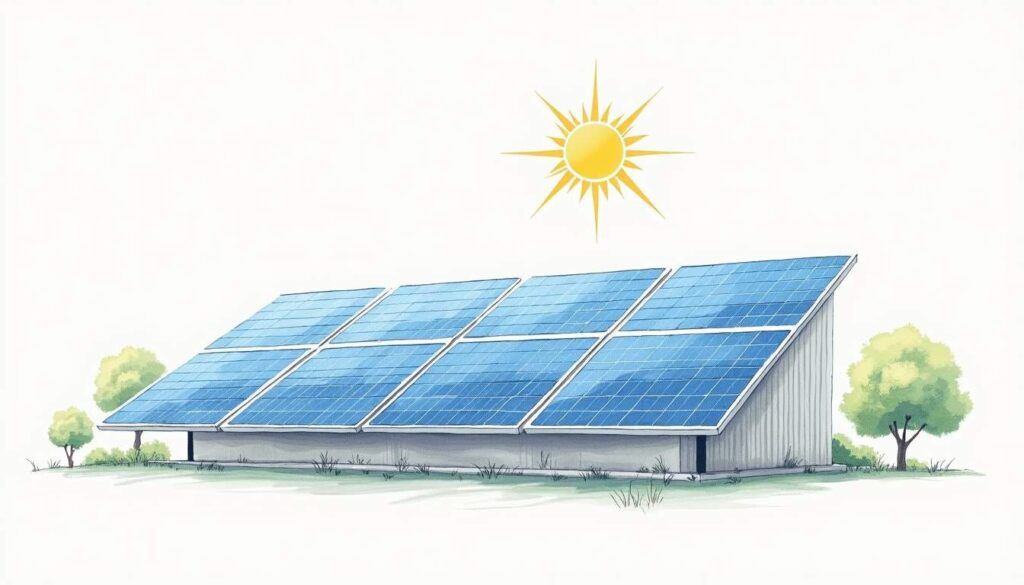
At its core, the technology relies on photovoltaic cells—semiconductor devices that generate electricity when exposed to sunlight. However, HMS Photovoltaik takes this a step further by integrating smart components, robust materials, and intelligent system design to optimize performance under various environmental conditions. This adaptability not only enhances energy generation but also ensures that the system can withstand diverse weather patterns, from intense heat to heavy snowfall, making it a reliable choice for various geographical locations.
The Evolution of Photovoltaic Technology
Photovoltaic technology has come a long way since its inception in the 1950s. Early solar cells were expensive and inefficient, limiting their use to niche applications like space satellites. Today, thanks to innovations like those found in HMS Photovoltaik, solar energy is accessible, affordable, and practical for everyday use. The transition from bulky, inefficient panels to sleek and efficient systems reflects significant advancements in materials science and engineering, allowing for better energy capture and conversion rates.
HMS Photovoltaik systems often incorporate multi-junction cells, anti-reflective coatings, and advanced wiring techniques. These improvements reduce energy loss and increase the lifespan of the system, making solar power a more attractive option for long-term investment. Furthermore, the integration of smart technology allows for real-time monitoring and optimization of energy production, enabling users to track their energy usage and system performance through mobile applications. This level of interactivity not only empowers users to make informed decisions about their energy consumption but also fosters a greater understanding of renewable energy’s impact on the environment and economy.
Key Components of HMS Photovoltaik Systems
Understanding the components of HMS Photovoltaik systems helps clarify why they stand out. Each element plays a crucial role in ensuring the system operates efficiently and reliably.
Photovoltaic Modules
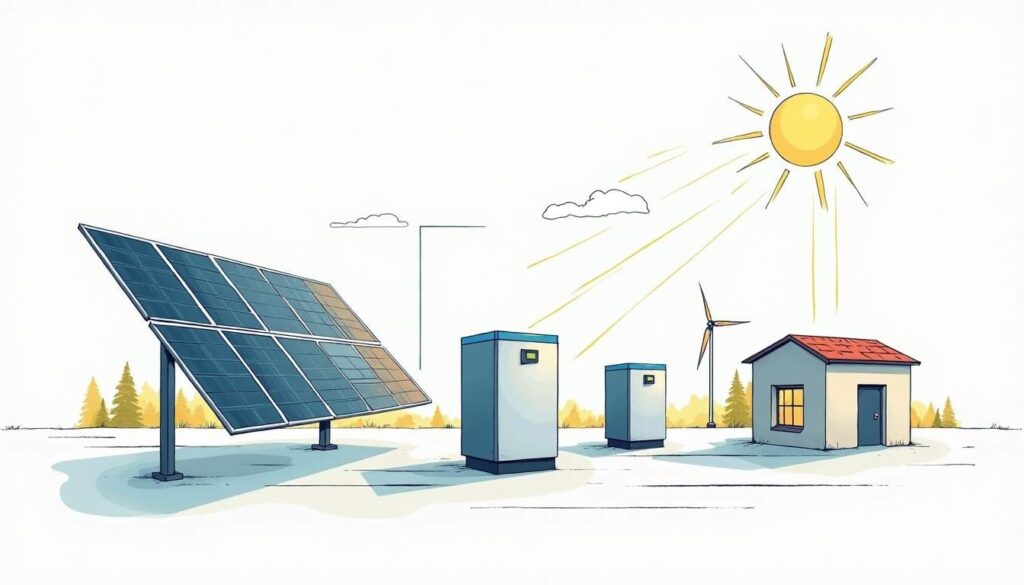
At the heart of the system are the photovoltaic modules, commonly known as solar panels. HMS Photovoltaik modules are typically made from high-quality monocrystalline silicon, which offers superior efficiency compared to polycrystalline alternatives. The monocrystalline cells are arranged in a modular format, allowing for easy expansion or customization based on energy needs.
These modules are designed to withstand harsh weather conditions, including heavy rain, snow, and extreme temperatures. Their durable construction ensures consistent performance over decades. Additionally, the aesthetic design of HMS modules allows them to blend seamlessly with various architectural styles, making them an attractive option for both residential and commercial installations. With advancements in technology, these panels also feature anti-reflective coatings that enhance light absorption, further boosting their efficiency in converting sunlight into usable energy.
Inverters
Solar panels generate direct current (DC) electricity, but most homes and businesses use alternating current (AC). This is where inverters come in. HMS Photovoltaik systems use state-of-the-art inverters that convert DC to AC with minimal energy loss. Some models also feature smart inverter technology, which can communicate with the grid and optimize energy flow.
Moreover, these inverters are equipped with advanced safety features, including overvoltage protection and ground fault detection, ensuring that the system operates safely under all conditions. The integration of machine learning algorithms allows these inverters to adapt to changing environmental conditions, thus optimizing performance and extending the lifespan of the entire system. This level of sophistication not only enhances energy efficiency but also provides users with peace of mind knowing their investment is well-protected.
Mounting Systems
The mounting system secures the solar panels to roofs or ground installations. HMS Photovoltaik uses adjustable, corrosion-resistant mounting racks that simplify installation and maintenance. These systems are engineered for optimal tilt and orientation, maximizing sun exposure throughout the day.
In addition to their robust design, HMS mounting systems are versatile, accommodating various roof types and ground conditions. This adaptability makes them suitable for both urban and rural settings, allowing homeowners and businesses alike to harness solar energy efficiently. Furthermore, the mounting systems are designed with sustainability in mind, using recyclable materials that minimize environmental impact while ensuring long-term durability.
Monitoring and Control Units
One of the standout features of HMS Photovoltaik is its integrated monitoring system. Users can track energy production, consumption, and system health in real-time via mobile apps or web portals. This transparency helps identify issues early and ensures the system runs at peak efficiency.
Additionally, the monitoring and control units are equipped with predictive analytics capabilities, allowing users to forecast energy production based on historical data and weather patterns. This feature empowers homeowners to make informed decisions about their energy usage and storage, optimizing their overall energy strategy. The user-friendly interface not only enhances engagement but also educates users about their energy consumption habits, fostering a greater awareness of sustainability and energy efficiency in daily life.
Advantages of Choosing HMS Photovoltaik
There are many reasons why HMS Photovoltaik is becoming a preferred choice for solar energy solutions. The benefits go beyond just clean energy.

High Efficiency and Energy Yield
The advanced technology behind HMS Photovoltaik modules allows them to capture more sunlight and convert it into electricity more efficiently than many standard solar panels. This means more energy for your home or business, even on cloudy days or in less-than-ideal locations.
Scalability and Flexibility
Whether you want to power a small residential setup or a large commercial facility, HMS Photovoltaik systems can be scaled accordingly. The modular design means you can start small and expand your system as your energy needs grow or as budget allows.
Durability and Longevity
Investing in solar energy is a long-term commitment. HMS Photovoltaik modules and components are built to last, often coming with warranties of 25 years or more. Their robust design ensures minimal degradation over time, providing reliable energy for decades.
Smart Energy Management
With integrated monitoring and control, HMS Photovoltaik systems allow users to optimize energy consumption and reduce waste. Some setups can even interact with battery storage or smart home systems, offering greater control and independence from the grid.
Installation Process and Considerations
Installing an HMS Photovoltaik system involves several steps, each crucial for ensuring optimal performance and safety.
Site Assessment
Before installation, a thorough site assessment is conducted to evaluate roof condition, sun exposure, shading, and electrical infrastructure. This helps determine the ideal system size and configuration.
Design and Customization
Based on the assessment, engineers design a tailored system that fits the specific needs and constraints of the location. This includes panel layout, inverter selection, and wiring plans.
Permitting and Approvals
Depending on local regulations, permits may be required before installation can proceed. HMS Photovoltaik providers often assist with navigating these bureaucratic steps to ensure compliance.
Installation and Commissioning
Professional installers mount the panels, connect the electrical components, and test the system to verify everything works correctly. Once commissioned, the system begins producing clean energy immediately.
Maintenance and Support
Regular maintenance is minimal but important. Cleaning panels, checking connections, and monitoring system performance help sustain efficiency. Many HMS Photovoltaik providers offer ongoing support and service plans.
Cost and Return on Investment
One of the most common questions about HMS Photovoltaik is the cost and how quickly the system pays for itself.
Initial Investment
The upfront cost depends on system size, components, and installation complexity. While HMS Photovoltaik systems may have a higher initial price than basic solar setups, their superior efficiency and durability often justify the investment.
Incentives and Subsidies
Many regions offer financial incentives such as tax credits, rebates, or feed-in tariffs for solar installations. These programs can significantly reduce the net cost and improve payback periods.
Energy Savings
By generating your own electricity, you reduce or eliminate monthly utility bills. Over time, these savings accumulate and offset the initial expenditure.
Increased Property Value
Homes and buildings equipped with high-quality photovoltaic systems like HMS Photovoltaik often see increased market value. Buyers recognize the benefits of lower energy costs and sustainable energy sources.
Common Myths and Misconceptions
Despite growing popularity, some myths about HMS Photovoltaik and solar energy persist.
“Solar Panels Don’t Work in Cloudy Weather”
While direct sunlight is ideal, HMS Photovoltaik modules are designed to capture diffuse light. They still generate electricity on cloudy days, though at reduced levels.
“Solar Systems Require Constant Maintenance”
Modern photovoltaic systems are low-maintenance. Occasional cleaning and inspections are usually sufficient to keep them running smoothly.
“Solar Power Isn’t Worth It in Cold Climates”
Cold temperatures can actually improve solar panel efficiency. As long as there is adequate sunlight, HMS Photovoltaik systems perform well in a variety of climates.
The Future of HMS Photovoltaik
Advancements in materials science, energy storage, and smart grid integration promise exciting developments for HMS Photovoltaik systems. Emerging technologies like perovskite solar cells and improved battery solutions could further boost efficiency and affordability.
Integration with home automation and electric vehicle charging is becoming more common, making HMS Photovoltaik a central component of sustainable living. As more people and businesses adopt these systems, the collective impact on reducing carbon emissions and dependence on fossil fuels will be significant.
Final Thoughts
HMS Photovoltaik represents a leap forward in solar energy technology, combining efficiency, durability, and smart management into a comprehensive solution. Whether you’re a homeowner looking to cut energy costs or a business aiming to reduce environmental impact, understanding how HMS Photovoltaik works can help you make informed decisions.
With the right system design and professional installation, HMS Photovoltaik can provide clean, reliable energy for years to come. It’s not just about technology-it’s about empowering people to take control of their energy future.