Imagine preparing for a long hike and suddenly the weather changes-rain starts pouring, and your gear is at risk. A reliable tarp or cover can make all the difference. Tarnplanen, a German term often referring to tarpaulins or protective covers, plays a crucial role in outdoor activities, construction, and even everyday protection needs. But what exactly is a tarnplanen? How do you choose the right one? And what are the best ways to use it? This guide will walk you through everything you need to know.
What Is Tarnplanen?
The word “tarnplanen” comes from German, where “Tarn” means camouflage or cover, and “Planen” refers to tarpaulins or sheets. Essentially, tarnplanen are heavy-duty sheets made from materials like polyethylene, canvas, or vinyl, designed to protect objects or areas from weather, dirt, or damage.
These covers are versatile. You’ll find them shielding construction sites, protecting vehicles, covering firewood stacks, or even serving as makeshift shelters. Their strength and durability make them indispensable in many scenarios. For instance, in outdoor activities such as camping or hiking, tarnplanen can be used to create a quick shelter from sudden rain or to cover gear, ensuring that it remains dry and safe from the elements. Additionally, their ability to blend into natural surroundings makes them a favorite among outdoor enthusiasts who wish to minimize their visual footprint.
Materials Used in Tarnplanen
Not all tarnplanen are created equal. The material impacts durability, water resistance, UV protection, and weight. Here’s a quick look at common materials:
- Polyethylene (PE): Lightweight, waterproof, and affordable. Often used for temporary covers and camping tarps.
- Canvas: Made from cotton or polyester, canvas tarps are breathable and durable but less water-resistant unless treated.
- Vinyl: Heavy-duty and highly waterproof, vinyl tarps are ideal for long-term outdoor use and industrial applications.
Choosing the right material depends on your specific needs, whether it’s weight, weather resistance, or longevity. For example, while polyethylene is perfect for short-term use due to its low cost and lightweight nature, those looking for a more robust solution for long-term outdoor storage might opt for vinyl. Moreover, the choice of material can also affect the tarp’s color and design, with many manufacturers offering camouflage patterns that cater to hunters and outdoor enthusiasts who want to blend into their environment. This aspect not only enhances functionality but also adds a layer of personalization, allowing users to select tarnplanen that suit their aesthetic preferences as well as their practical needs.
Common Uses for Tarnplanen
Tarnplanen are everywhere once you start noticing. Their adaptability is what makes them so popular.
Outdoor Protection
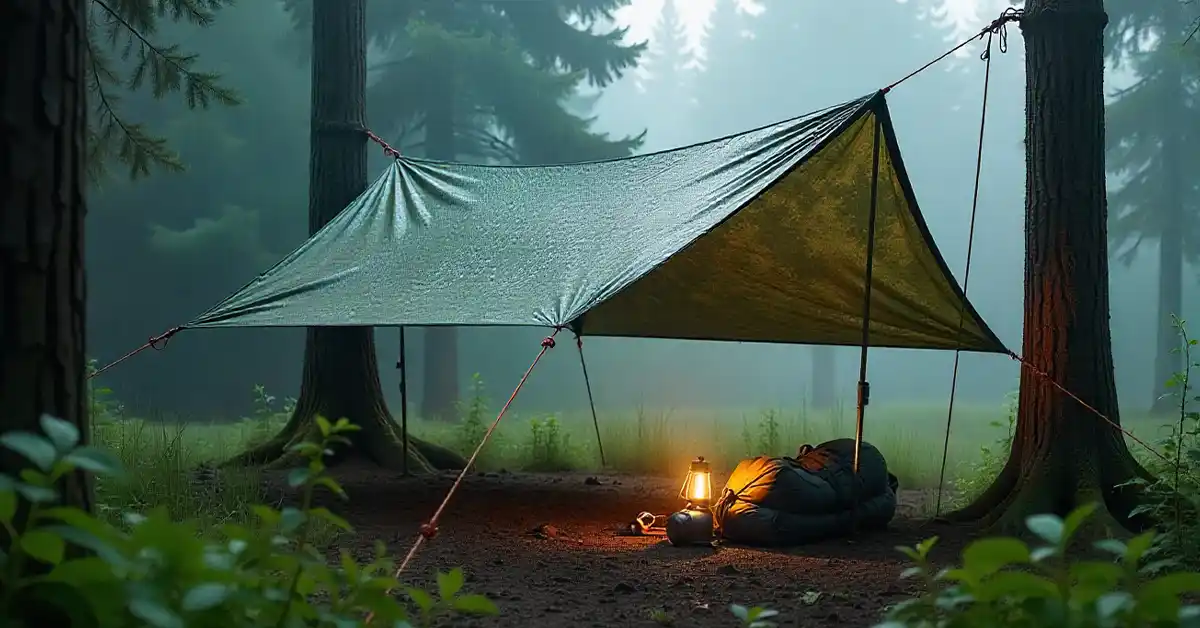
Campers and hikers rely on tarnplanen as emergency shelters, ground covers, or rain protection. They’re lightweight and packable, making them easy to carry in a backpack. When the rain hits, a well-secured tarnplanen can keep you dry and your gear safe. Additionally, these versatile tarps can be used to create makeshift awnings, providing shade during hot summer days or a windbreak during chilly evenings around the campfire. Their reflective surfaces can also help in signaling for help in emergency situations, making them a multipurpose tool for outdoor enthusiasts.
Gardeners use them to cover plants during unexpected frosts or to shield soil and mulch from heavy rain. They’re also handy for protecting outdoor furniture during off-seasons. Furthermore, tarnplanen can be employed to create temporary greenhouses, allowing gardeners to extend their growing season by trapping heat and moisture. With various sizes and colors available, they can also serve an aesthetic purpose, blending into the garden landscape while providing essential protection.
Construction and Industrial Use
On construction sites, tarnplanen cover building materials, machinery, and unfinished structures. This prevents water damage and dust accumulation. Their durability helps them withstand harsh weather and rough handling. In addition to protecting materials, they can also be used to delineate work areas, ensuring safety on busy sites. The bright colors of many tarnplanen can enhance visibility, reducing the risk of accidents and improving overall site organization.
Industries use heavy-duty tarps to cover goods during transport or storage. This ensures products remain intact and uncontaminated. Beyond simple coverage, tarnplanen can also be used to create temporary storage solutions, allowing businesses to manage inventory more effectively. For instance, during peak seasons or unexpected demand, these tarps can help secure additional stock, ensuring that products remain protected from environmental hazards while still being easily accessible.
Everyday and Emergency Uses
At home, tarnplanen can protect your car, cover firewood, or serve as a temporary roof patch. In emergencies, they’re invaluable for creating quick shelters or protecting belongings from the elements. Their versatility extends to various DIY projects around the house, such as creating a protective barrier during painting or renovations. With a few simple ties or weights, a tarnplanen can also be transformed into a picnic blanket or a windbreak for outdoor gatherings, making them a staple for any household.
Choosing the Right Tarnplanen
With so many options available, selecting the right tarnplanen can feel overwhelming. Here are some key factors to consider.
Size and Weight
First, measure the area or object you want to cover. Tarnplanen come in various sizes, from small sheets to massive covers. It’s wise to get a tarp slightly larger than the target area to allow for secure fastening.
Weight matters too. Lightweight tarps are easier to handle and transport but may sacrifice durability. Heavy tarps offer better protection but can be cumbersome. When considering weight, think about the intended use; for instance, if you’re planning a camping trip, a lightweight tarp can be a lifesaver for quick setups and takedowns.
Material and Thickness
As mentioned earlier, the material determines many performance aspects. Thickness, often measured in mils (thousandths of an inch), affects strength and resistance to tearing. Thicker tarps tend to last longer but weigh more. Additionally, the choice of material can influence the tarp’s breathability and resistance to mold and mildew, which is particularly important in humid environments.
Waterproofing and UV Resistance
If you plan to use the tarnplanen outdoors, waterproofing is essential. Most polyethylene and vinyl tarps are inherently waterproof, while canvas tarps may require treatment. It’s also worth noting that some tarps come with a special coating that enhances their waterproof capabilities, providing an extra layer of protection against heavy rain or snow.
UV resistance prevents the tarp from degrading under sunlight. Look for tarps labeled as UV resistant if you expect prolonged sun exposure. This feature not only extends the life of the tarp but also ensures that it maintains its color and structural integrity over time, making it a wise investment for outdoor enthusiasts.
Grommets and Reinforcements
Grommets-metal rings along the edges-allow you to tie down the tarp securely. Check their spacing and quality. Reinforced corners and edges add durability, especially in windy conditions. The placement of grommets can also affect how easily you can secure the tarp; evenly spaced grommets provide more options for tensioning and anchoring, which is crucial for stability in adverse weather.
Moreover, consider the type of fasteners you plan to use. Some tarps come with built-in tie-downs or loops, which can simplify the setup process. For heavy-duty applications, you might want to invest in tarps with additional features like double-stitched seams or welded edges, which enhance their overall strength and resistance to wear and tear.
How to Use Tarnplanen Effectively
Owning a tarnplanen is just the start. Knowing how to use it properly maximizes its benefits and lifespan.

Securing Your Tarnplanen
Always use sturdy ropes, bungee cords, or straps to secure your tarp. Attach them through the grommets and anchor to fixed points like trees, poles, or stakes. This prevents flapping and potential damage.
In windy conditions, consider doubling the securing points and adding weights at the corners.
Proper Storage
After use, clean your tarnplanen by removing dirt and debris. Let it dry completely to avoid mold and mildew. Fold it neatly and store in a dry, cool place away from direct sunlight.
Proper storage extends the tarp’s life and keeps it ready for the next use.
Maintenance Tips
Inspect your tarnplanen regularly for holes, tears, or worn areas. Small holes can be patched with repair kits designed for the tarp’s material. Avoid dragging the tarp on rough surfaces to prevent unnecessary damage.
Common Mistakes to Avoid
Even experienced users sometimes make mistakes that shorten the life of their tarnplanen.
Using the Wrong Size
A tarp that’s too small won’t provide adequate coverage, while one that’s too large can be difficult to secure. Measure carefully and choose accordingly.
Ignoring Weather Conditions
Not all tarps are built for extreme weather. Using a lightweight tarp in heavy snow or strong winds can lead to failure. Match the tarp’s specs to the conditions you expect.
Poor Securing Techniques
Simply throwing a tarp over an object isn’t enough. Without proper tie-downs, the tarp can flap, tear, or blow away. Take time to secure it properly.
Innovations and Trends in Tarnplanen
Technology continues to improve tarnplanen materials and designs. Some modern tarps feature reflective coatings to reduce heat absorption, while others incorporate ripstop fabrics for enhanced tear resistance.

Eco-friendly options are also emerging, made from recycled materials or designed for easy recycling after use. These innovations help reduce environmental impact without sacrificing performance.
Where to Buy Tarnplanen
Finding the right tarnplanen is easier than ever. Outdoor stores, hardware suppliers, and online retailers offer a wide range of options. When shopping, look for detailed product descriptions, customer reviews, and clear sizing charts.
Buying from reputable brands ensures quality and access to customer support if you encounter issues.