Imagine a world where the soft wool sweater you toss aside can be reborn into a new garment, cutting down waste and saving resources. Woolrec is turning this vision into reality by revolutionizing how wool is recycled. This guide dives deep into Woolrec’s innovative approach, the technology behind it, and why it matters for the future of sustainable fashion.
What Is Woolrec and Why Does It Matter?
Woolrec is a pioneering initiative focused on recycling wool textiles in a way that preserves the fiber’s quality and reduces environmental impact. Unlike traditional recycling methods that often degrade wool fibers, Woolrec employs advanced techniques to maintain the integrity of the wool, allowing it to be reused multiple times. This innovative approach not only enhances the lifecycle of wool products but also supports the growing demand for sustainable fashion solutions in an industry that is increasingly scrutinized for its environmental footprint.
The significance of Woolrec lies in its potential to transform the wool industry. Wool production can be resource-intensive, involving land use, water consumption, and greenhouse gas emissions. By recycling wool effectively, Woolrec helps minimize these environmental costs, reducing the demand for virgin wool and diverting textile waste from landfills. Furthermore, the initiative encourages consumers to rethink their purchasing habits, promoting a culture of sustainability that values quality over quantity in clothing choices.
The Environmental Toll of Wool Waste
Every year, millions of tons of wool garments end up discarded. Wool is biodegradable, but when it decomposes in landfills, it produces methane, a potent greenhouse gas. Additionally, the process of producing new wool consumes significant water and energy. Woolrec’s recycling process addresses these issues by giving wool a second life, cutting down on the need for new raw materials and lowering waste. This not only alleviates the pressure on natural resources but also fosters a more responsible approach to fashion consumption, encouraging brands to consider the lifecycle of their products.
Moreover, the environmental impact of wool waste extends beyond just the decomposition process. The production of new wool involves extensive grazing, which can lead to land degradation and biodiversity loss if not managed sustainably. By promoting wool recycling, Woolrec not only mitigates these environmental concerns but also supports farmers and producers who are committed to sustainable practices, creating a more resilient wool supply chain.
How Woolrec Fits into the Circular Economy
The circular economy is all about keeping materials in use for as long as possible. Woolrec embodies this principle by creating a closed-loop system for wool textiles. Instead of a linear path—where wool is produced, used, and discarded—Woolrec’s model ensures wool fibers are continuously recycled, reducing environmental strain and promoting sustainability. This system not only conserves resources but also encourages innovation in textile design, as brands begin to explore new ways to incorporate recycled materials into their collections.
In addition to its recycling efforts, Woolrec advocates for collaboration across the wool supply chain, bringing together farmers, manufacturers, and retailers to create a unified approach to sustainability. By fostering partnerships and sharing best practices, Woolrec aims to inspire a collective shift towards a more circular economy, where waste is minimized, and the value of materials is maximized. This holistic approach not only benefits the environment but also has the potential to enhance economic opportunities within the wool industry, creating jobs and supporting local communities committed to sustainable practices.
The Woolrec Recycling Process: From Old Garments to New Fibers
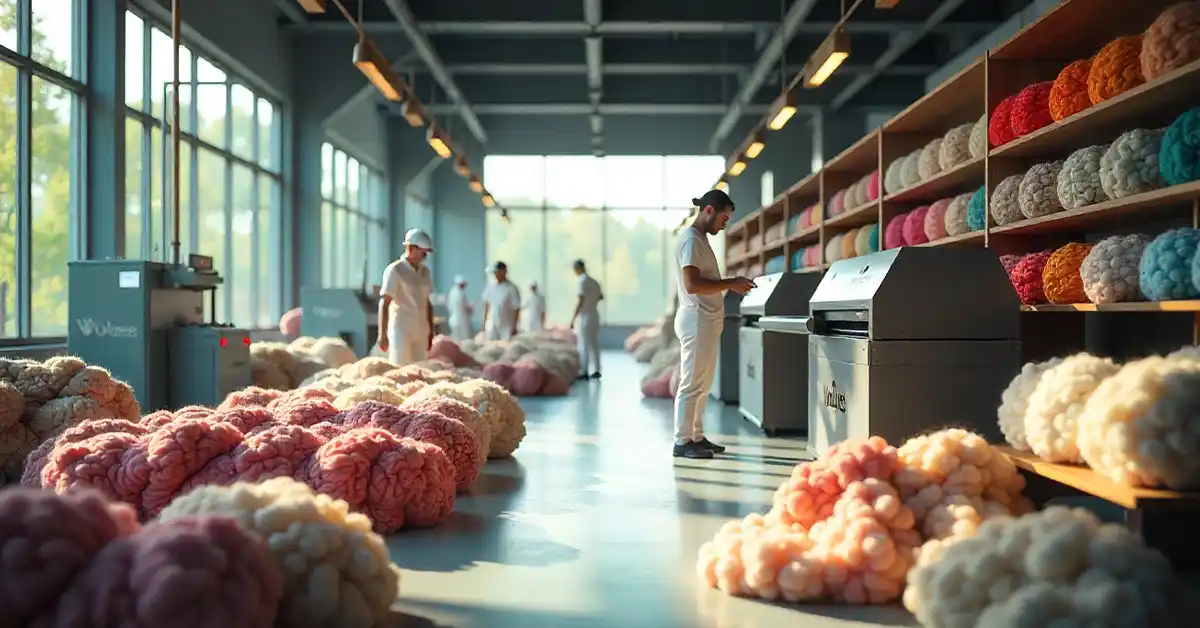
Woolrec’s recycling process is a blend of traditional craftsmanship and modern technology. The goal is to break down old wool garments into fibers that can be spun into new yarn without compromising quality.
Collection and Sorting
The journey begins with collecting wool textiles from various sources—post-consumer garments, factory scraps, and even unsold inventory. Sorting is crucial here, as only pure wool or wool-blend fabrics with a high wool content are suitable for recycling. Contaminants like synthetic fibers, dyes, and non-wool materials must be separated to ensure the recycled wool’s quality. This meticulous sorting process not only maximizes the yield of usable fibers but also minimizes waste, aligning with Woolrec’s commitment to sustainability and environmental responsibility. The collected materials are often sourced from local communities, fostering a sense of connection and awareness about textile waste and its impact on the planet.
Mechanical Processing: Shredding and Carding
Once sorted, the wool garments are mechanically shredded to break them down into fibers. This step requires precision because wool fibers are delicate. Woolrec uses specialized shredders designed to minimize fiber damage. After shredding, the fibers undergo carding—a process that aligns them and removes impurities. Carding prepares the wool for spinning by creating a smooth, uniform fiber web. This stage is not just about cleaning; it also enhances the wool’s natural properties, ensuring that the final product retains its warmth and breathability. The carded wool can be further blended with other natural fibers, such as cotton or linen, to create unique textures and properties, allowing for a diverse range of applications in the textile industry.
Spinning and Reweaving
The carded wool fibers are then spun into yarn. Woolrec’s technology ensures the yarn retains strength and softness comparable to virgin wool. This yarn can be woven or knitted into new textiles, ready to be transformed into fresh garments or home goods. The entire process can be repeated multiple times, extending the lifecycle of wool fibers significantly. In addition to traditional wool products, the recycled yarn can be dyed using eco-friendly methods, allowing designers to create vibrant colors without the environmental impact of conventional dyeing processes. This opens up a world of creative possibilities for fashion designers and artisans who are increasingly looking for sustainable materials that do not sacrifice aesthetic appeal.
Innovations Behind Woolrec: Technology Meets Sustainability
Woolrec isn’t just about recycling wool-it’s about doing it better. The initiative incorporates cutting-edge technology to enhance fiber recovery and quality.
Advanced Fiber Sorting Techniques
One of the biggest challenges in wool recycling is separating wool from synthetic blends. Woolrec employs near-infrared (NIR) spectroscopy and other automated sorting methods to accurately identify fiber types. This precision sorting reduces contamination and improves the quality of recycled wool.
Low-Impact Cleaning Methods
Cleaning wool before recycling is essential but can be water and energy-intensive. Woolrec uses eco-friendly detergents and low-temperature washing to reduce environmental impact. These methods preserve fiber strength and reduce chemical use, aligning with sustainable principles.
Energy-Efficient Machinery
Woolrec integrates energy-efficient machinery throughout its recycling line. From shredders to carding machines, the equipment is optimized to consume less power without sacrificing performance. This focus on energy efficiency further reduces the carbon footprint of recycled wool production.
The Benefits of Woolrec for Consumers and the Industry
Woolrec’s impact extends beyond environmental benefits. It offers tangible advantages for consumers, brands, and the textile industry as a whole.
High-Quality Recycled Wool Products
Thanks to Woolrec’s meticulous process, recycled wool products maintain the softness, warmth, and durability consumers expect. This quality assurance helps dispel the myth that recycled textiles are inferior, encouraging more people to choose sustainable options.
Cost-Effective and Resource-Smart
Recycling wool reduces reliance on raw wool, which can be costly due to fluctuating supply and demand. For manufacturers, Woolrec provides a steady source of quality wool fibers at a potentially lower cost. This economic incentive supports wider adoption of recycled wool in fashion and home textiles.
Supporting Ethical and Sustainable Fashion
Consumers increasingly demand transparency and sustainability from brands. Woolrec enables brands to meet these expectations by offering traceable recycled wool fibers. This transparency builds trust and strengthens brand loyalty among eco-conscious shoppers.
Challenges and Future Directions for Woolrec
Despite its promise, Woolrec faces challenges that must be addressed to scale its impact.
Handling Blended Fabrics
Many wool garments are blended with synthetic fibers for performance or cost reasons. Separating these blends remains difficult and sometimes limits the recyclability of certain textiles. Ongoing research aims to develop better separation technologies and encourage design for recyclability in fashion.
Scaling Collection Systems
Efficient collection of wool waste is crucial. Expanding partnerships with retailers, municipalities, and consumers can improve the volume and quality of wool inputs. Public awareness campaigns and convenient drop-off points can help increase participation.
Cost and Infrastructure Investment
Setting up recycling facilities with advanced technology requires significant investment. Collaboration between governments, industry players, and environmental organizations is essential to fund and support infrastructure growth. Incentives and policies can accelerate adoption.
How to Support Woolrec and Sustainable Wool Recycling
Everyone can play a role in promoting sustainable wool recycling.
Choose Recycled Wool Products
Look for brands that use Woolrec-certified or recycled wool in their collections. Supporting these products encourages more companies to invest in sustainable materials.
Recycle Wool Garments Properly
Instead of throwing away old wool clothing, donate, resell, or recycle them through programs that partner with Woolrec. Proper sorting and care increase the likelihood that wool fibers can be effectively recycled.
Advocate for Sustainable Fashion Policies
Engage with local and national policymakers to support regulations that promote textile recycling and sustainable production. Public pressure can drive systemic change in the fashion industry.
Conclusion: Woolrec’s Role in a Greener Textile Future
Woolrec is more than a recycling program-it’s a blueprint for how the wool industry can evolve sustainably. By preserving fiber quality, reducing waste, and lowering environmental impact, Woolrec offers a practical solution to some of fashion’s biggest challenges. As technology advances and awareness grows, Woolrec’s model could become the standard for wool recycling worldwide, helping to create a circular economy where wool is cherished, reused, and never wasted.