Imagine a technology that can seamlessly connect devices, streamline operations, and enhance user experiences without the typical complexities. Sinkom is that technology. While it might sound like a buzzword at first, Sinkom is rapidly gaining traction across industries for its unique ability to simplify communication and integration. This article dives deep into what Sinkom is, the benefits it offers, and where it’s making the biggest impact.
What Exactly Is Sinkom?
Sinkom stands for “Synchronized Communication,” a system designed to enable real-time, efficient data exchange between multiple devices or platforms. At its core, Sinkom is about creating harmony in how information flows, ensuring that every connected component stays updated and responsive.
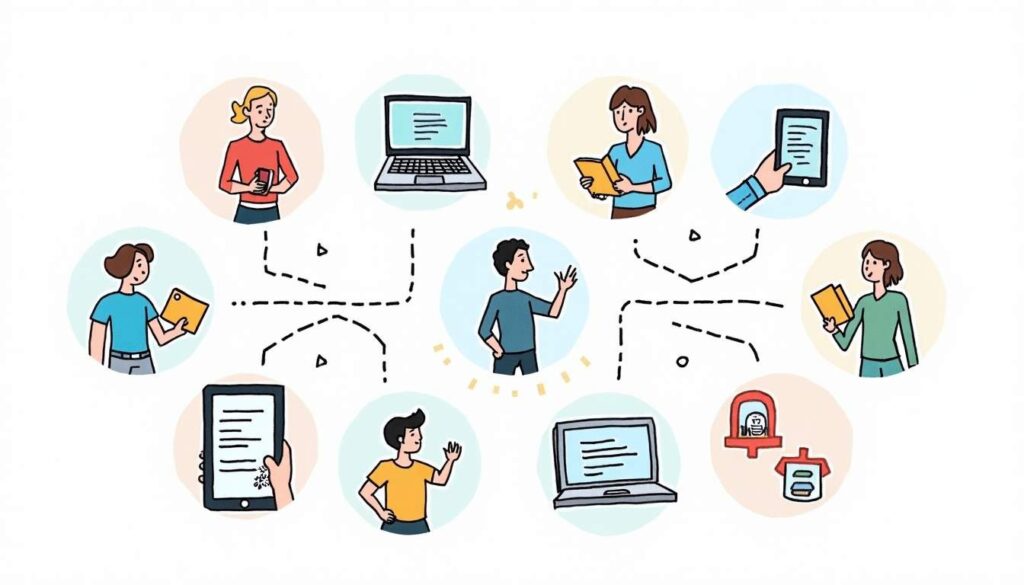
Unlike traditional communication protocols that often suffer from latency or compatibility issues, Sinkom uses a blend of advanced synchronization algorithms and adaptive networking techniques. This means it can handle a wide range of devices—from smartphones and IoT gadgets to industrial machinery—without breaking a sweat.
The Technology Behind Sinkom
Sinkom leverages a combination of edge computing and cloud synchronization. Edge computing allows data processing close to the source, reducing delays and bandwidth usage. Meanwhile, cloud synchronization ensures that all devices maintain a consistent state, even when some are temporarily offline.
This hybrid approach helps Sinkom maintain low latency and high reliability. It also supports dynamic scaling, which means it can adapt to networks of just a few devices or thousands without losing performance. This flexibility is particularly crucial in environments where device counts can fluctuate dramatically, such as smart cities or large-scale industrial applications.
Moreover, the architecture of Sinkom is designed with security in mind. With the increasing number of cyber threats, ensuring that data remains secure during transmission is paramount. Sinkom employs end-to-end encryption and robust authentication protocols, safeguarding sensitive information from unauthorized access. This focus on security not only enhances user trust but also ensures compliance with various regulatory standards, making it a preferred choice for industries like healthcare, finance, and manufacturing.
Key Benefits of Sinkom
Sinkom isn’t just a fancy name; it brings tangible advantages that can transform how businesses and individuals interact with technology. Here are some of the standout benefits that make Sinkom worth considering.
1. Real-Time Synchronization
One of Sinkom’s biggest strengths is its ability to synchronize data in real time. Whether it’s a smart home system adjusting lighting based on occupancy or a fleet of drones coordinating a delivery route, Sinkom ensures every device is on the same page instantly.
This real-time aspect is crucial for applications where delays could lead to errors or safety issues. For example, in healthcare, synchronized monitoring devices can alert staff immediately if a patient’s condition changes. Moreover, in the realm of smart cities, real-time data synchronization can optimize traffic flow and reduce congestion, leading to more efficient urban mobility and improved air quality.
2. Scalability and Flexibility
Sinkom’s architecture is built to scale effortlessly. Small setups can benefit from its streamlined communication without needing complex configurations. At the same time, large enterprises can deploy Sinkom across thousands of endpoints without worrying about bottlenecks.
Flexibility is another advantage. Sinkom supports heterogeneous environments, meaning it works well with devices running different operating systems, communication standards, or hardware capabilities. This adaptability allows businesses to integrate legacy systems with newer technologies seamlessly, ensuring a smoother transition and maximizing existing investments in technology.
3. Enhanced Security
Data security is baked into Sinkom’s design. It employs end-to-end encryption and secure authentication protocols to protect information as it travels between devices. This reduces the risk of interception or tampering.
Additionally, Sinkom’s decentralized synchronization model minimizes single points of failure, making it harder for attackers to compromise the entire network. This robust security framework is particularly beneficial in industries like finance and government, where sensitive data is constantly at risk of cyber threats. By prioritizing security, Sinkom not only protects individual users but also helps organizations comply with stringent regulatory requirements, thus enhancing their overall reputation and trustworthiness.
4. Reduced Latency and Bandwidth Usage
Because Sinkom processes data at the edge and only syncs essential information with the cloud, it cuts down on unnecessary data traffic. This leads to lower latency, faster response times, and more efficient use of network resources.
For users, this means smoother experiences—whether streaming media, controlling smart devices, or managing industrial automation systems. Furthermore, by optimizing bandwidth usage, Sinkom can significantly reduce operational costs for businesses, especially those relying on cloud services for data storage and processing. This efficiency not only enhances user satisfaction but also enables companies to allocate resources more effectively, focusing on innovation and growth rather than infrastructure limitations.
Where Sinkom Shines: Practical Applications
Sinkom’s versatility means it’s not limited to any one sector. Its benefits are already being realized in a variety of fields, from consumer tech to industrial operations.
Smart Homes and IoT
Smart home devices often struggle with compatibility and lag. Sinkom changes that by providing a unified communication layer that keeps everything in sync. Lights, thermostats, security cameras, and even kitchen appliances can work together more intuitively.
Imagine arriving home and having your house adjust lighting, temperature, and music instantly—all without you lifting a finger or dealing with glitchy apps. Sinkom makes that possible by ensuring all devices share information seamlessly. This level of integration not only enhances user experience but also promotes energy efficiency, as systems can communicate to optimize power usage based on occupancy and time of day. For instance, when you leave for work, your home can automatically lower the thermostat and turn off non-essential lights, saving you money on utility bills.
Healthcare Monitoring
In medical environments, accurate and timely data can be a matter of life and death. Sinkom enables continuous, synchronized monitoring of patient vitals across multiple devices. Nurses and doctors receive real-time updates, enabling faster interventions.
Wearable health tech also benefits. Patients with chronic conditions can have their devices communicate effortlessly with healthcare providers, improving remote care and reducing hospital visits. This capability is particularly vital for elderly patients or those living in remote areas, allowing them to receive consistent care without the need for frequent travel. Additionally, data collected through Sinkom can be analyzed to identify trends in patient health, leading to proactive treatments and better overall outcomes.
Industrial Automation
Factories and warehouses rely heavily on automated systems. Sinkom helps coordinate robots, sensors, and control systems to optimize production lines. By synchronizing operations, it reduces downtime and increases efficiency.
In logistics, Sinkom can track inventory and shipments in real time, ensuring accurate stock levels and timely deliveries. This capability not only streamlines operations but also enhances supply chain transparency, allowing businesses to respond swiftly to market demands. With predictive analytics powered by Sinkom, companies can forecast inventory needs and adjust their production schedules accordingly, minimizing waste and maximizing profitability.
Transportation and Fleet Management
Managing a fleet of vehicles requires constant communication between drivers, dispatchers, and tracking systems. Sinkom provides a reliable network that keeps everyone informed instantly.
This leads to improved route planning, faster response to issues, and better overall fleet utilization. Moreover, the integration of real-time traffic data allows for dynamic rerouting, helping drivers avoid delays and ensuring timely deliveries. Additionally, fleet managers can monitor vehicle health through Sinkom, receiving alerts for maintenance needs before they lead to costly breakdowns, thereby extending the lifespan of their assets.
Gaming and Entertainment
Multiplayer games and interactive entertainment demand low latency and synchronized experiences. Sinkom’s real-time data exchange capabilities help reduce lag and keep gameplay smooth.
Streaming platforms can also use Sinkom to synchronize content delivery, ensuring consistent playback quality across devices. This is particularly important in an age where viewers expect seamless transitions between devices, whether they are watching on a smart TV, tablet, or smartphone. Additionally, by utilizing Sinkom, developers can create more immersive experiences, such as live events or interactive storytelling, where audience participation can influence the outcome in real-time, making entertainment more engaging and dynamic.
Challenges and Considerations
No technology is without hurdles, and Sinkom is no exception. Understanding these challenges helps set realistic expectations and guides better implementation.
Infrastructure Requirements
While Sinkom is designed to be scalable, it does require a certain level of network infrastructure to perform optimally. In areas with poor connectivity or outdated hardware, achieving full synchronization may be difficult.
Organizations may need to invest in upgrading their networks or devices to fully harness Sinkom’s capabilities.
Integration Complexity
Integrating Sinkom into existing systems can be complex, especially in environments with legacy equipment. Custom development or middleware may be necessary to bridge gaps between old and new technologies.
That said, many vendors offer Sinkom-compatible solutions that ease integration efforts.
Privacy Concerns
With increased data exchange comes the need for careful privacy management. Organizations must ensure that Sinkom implementations comply with relevant regulations and protect user data appropriately.
Transparent policies and robust security measures are essential to maintaining trust.
Looking Ahead: The Future of Sinkom
Sinkom’s potential continues to expand as more industries recognize the value of synchronized communication. Advances in AI and machine learning are expected to enhance Sinkom’s adaptive capabilities, making networks smarter and more autonomous.
Emerging technologies like 5G and beyond will further reduce latency and increase bandwidth, unlocking new possibilities for Sinkom-powered applications.
Integration with AI and Machine Learning
By combining Sinkom with AI, systems can predict and respond to changes proactively. For example, in smart cities, traffic signals could synchronize dynamically based on real-time conditions, reducing congestion and emissions.
In manufacturing, predictive maintenance powered by Sinkom and AI can minimize downtime by addressing issues before they cause failures.
Expanding to New Markets
As Sinkom matures, it’s likely to find applications in sectors currently unexplored. Agriculture, education, and public safety are just a few areas where synchronized communication can bring significant improvements.
For instance, precision farming could use Sinkom to coordinate sensors and machinery, optimizing water usage and crop yields.
Conclusion
Sinkom is more than just a communication protocol; it’s a framework for creating connected, responsive, and efficient systems. Its real-time synchronization, scalability, and security make it an attractive choice for a wide range of applications.

Whether it’s making smart homes smarter, improving healthcare outcomes, or streamlining industrial operations, Sinkom is proving its worth. As technology advances, its role is only set to grow, offering exciting possibilities for businesses and consumers alike.