Imagine coming across a word that sounds both futuristic and mysterious-“Spaietacle.” It’s not something you hear every day, yet it’s gaining traction in certain circles. What does it mean? Where did it come from? And why should you care? This guide will unravel the layers behind Spaietacle, exploring its origins, meanings, and practical applications.
What Exactly Is Spaietacle?
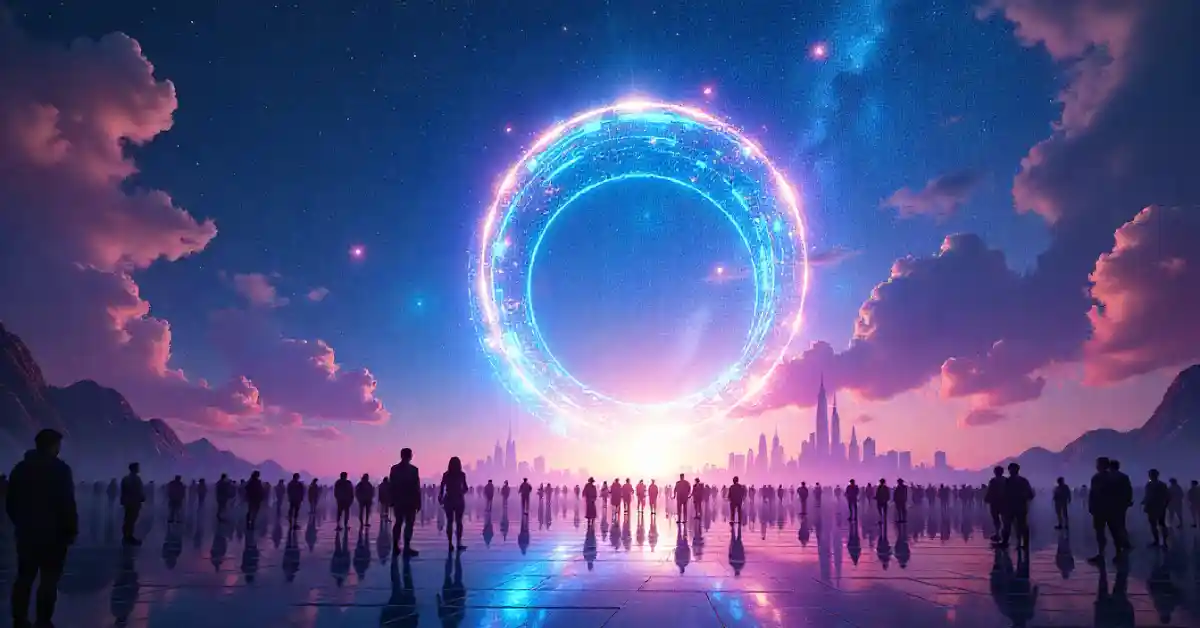
At its core, Spaietacle is a term that blends the ideas of “space” and “spectacle.” It describes an event, experience, or phenomenon that combines vastness or spatial elements with a striking, often dramatic display. Think of it as a grand visual or experiential show that takes place in or is inspired by space or spatial concepts.

The word itself is relatively new, emerging from creative communities interested in blending technology, art, and immersive experiences. It’s not just about something big or flashy-it’s about creating a sense of awe tied to spatial awareness and sensory engagement.
The Origins of Spaietacle
Spaietacle first appeared in digital art forums and experimental tech spaces around 2018. Artists and designers were searching for a term to describe installations and performances that combined spatial design with immersive spectacle. Over time, it evolved into a broader concept used in marketing, entertainment, and even urban design.
Interestingly, the term has no roots in traditional dictionaries or classical languages. Instead, it’s a neologism born from the fusion of “space” and “spectacle,” capturing a modern cultural trend toward immersive, large-scale experiences. This trend reflects a growing desire among audiences to engage with art and technology in ways that transcend the ordinary, inviting them to step into environments that challenge their perceptions and evoke deep emotional responses.
As Spaietacle gained traction, it began to influence various fields, from architecture to virtual reality. Architects started incorporating Spaietacle principles into their designs, creating buildings and public spaces that not only serve functional purposes but also provide stunning visual experiences. Meanwhile, in the realm of virtual reality, developers harnessed the concept to craft immersive worlds that transport users to fantastical realms, blurring the lines between reality and imagination. This cross-disciplinary appeal has made Spaietacle a buzzword in discussions about the future of experiential design and the evolving relationship between humans and their environments.
Breaking Down the Meaning: Space Meets Spectacle
To understand Spaietacle, it helps to look at its two components. “Space” refers not just to outer space but to physical, virtual, or conceptual environments. “Spectacle” suggests something visually impressive or emotionally captivating.

Space: More Than Just Physical Dimensions
Space in the context of Spaietacle can be literal or metaphorical. It might be an actual physical location like a planetarium, an urban plaza, or a virtual reality environment. The key is that the space itself plays a crucial role in shaping the experience.
For example, a Spaietacle might take place in a large dome where projections create the illusion of floating among stars. Alternatively, it could be an augmented reality event where digital elements transform a city square into a dynamic, interactive environment.
Moreover, the concept of space extends to how these environments influence human interaction and perception. In a sprawling outdoor festival, the layout can dictate the flow of movement, encouraging social connections and shared experiences. Conversely, a confined space might foster intimacy, allowing for deeper emotional engagement with the spectacle unfolding within it. The interplay between the audience and the environment is crucial, as it can elevate the experience from mere observation to active participation.
Spectacle: Capturing Attention and Emotion
Spectacle is about more than just visuals. It’s about creating moments that captivate and inspire. Think of fireworks shows, immersive theater, or large-scale light festivals. These events engage multiple senses and often evoke strong emotional responses.
In a Spaietacle, the spectacle is enhanced by the spatial context. The environment amplifies the impact of the visuals, sounds, and interactions, making the experience unforgettable.
Additionally, the emotional resonance of a spectacle can be heightened through storytelling elements woven into the experience. When narratives are integrated into the visual and auditory components, they can create a profound connection with the audience. For instance, a light show synchronized to a moving soundtrack can evoke nostalgia or joy, while an immersive theater piece set in a historical location can transport participants to another time and place. This fusion of narrative and spectacle within a thoughtfully designed space not only captures attention but also leaves a lasting impression, inviting reflection long after the event has concluded.
Common Uses of Spaietacle
Spaietacle has found its way into various fields, from entertainment to education. Its appeal lies in its versatility and ability to create memorable experiences.
Entertainment and Events
One of the most popular uses of Spaietacle is in live events and performances. Music festivals, art installations, and theater productions use spatial design and spectacular visuals to immerse audiences. For instance, a concert might incorporate 3D projections and spatial audio to transform a venue into a cosmic landscape.
Theme parks and immersive exhibitions also employ Spaietacle principles. Visitors can explore environments that blend physical sets with digital effects, making them feel like they’ve stepped into another world.
Educational Experiences
Spaietacle is increasingly used in museums and planetariums to enhance learning. Instead of static displays, visitors experience dynamic, immersive presentations that bring complex concepts to life. Imagine walking through a digital recreation of the solar system, where each planet is a vivid, interactive spectacle.
These experiences make education engaging and accessible, especially for younger audiences who thrive on interactive learning.
Marketing and Brand Activations
Brands looking to make a bold impression have adopted Spaietacle strategies for product launches and campaigns. By creating immersive environments that combine spatial design with dramatic visuals, companies can captivate consumers and create buzz.
For example, a tech company might host a launch event in a space transformed by augmented reality, where attendees interact with virtual versions of new products. The spectacle draws attention and leaves a lasting impression.
How to Create a Spaietacle Experience
Designing a Spaietacle involves careful planning and a mix of creativity and technology. Here’s what goes into crafting one.
Choosing the Right Space
The environment is the foundation. Whether it’s a physical venue or a virtual platform, the space must support immersive elements and accommodate the audience comfortably. Consider acoustics, lighting, and spatial layout to maximize impact.
Incorporating Technology
Technology plays a huge role in Spaietacle. Projection mapping, augmented reality, spatial audio, and interactive installations are common tools. They help transform ordinary spaces into extraordinary experiences.
However, technology should serve the story or message, not overshadow it. The best Spaietacles balance tech with human elements to create emotional resonance.
Designing the Spectacle
The spectacle itself should be visually stunning and emotionally engaging. Use colors, movement, sound, and narrative to captivate the audience. Think about pacing-build anticipation, create moments of awe, and offer opportunities for interaction.
Collaboration between artists, designers, and technologists is often key to achieving this balance.
Examples of Spaietacle in Action
Seeing Spaietacle in practice helps clarify its potential. Here are a few standout examples.
The Aurora Dome Experience
At a science center in Scandinavia, the Aurora Dome uses a 360-degree projection dome to simulate the Northern Lights. Visitors lie back inside the dome, surrounded by swirling colors and sounds that mimic the natural phenomenon. The spatial design and immersive visuals create a breathtaking spectacle that feels both educational and magical.
Urban Light Festival
In a major city, an annual light festival transforms public squares and buildings into canvases for light art. Using projection mapping and interactive installations, the event turns familiar spaces into fantastical environments. The festival draws thousands who come to experience the spectacle woven into the urban fabric.
Virtual Spacewalk VR
A virtual reality experience developed by a space agency lets users simulate a spacewalk outside the International Space Station. The VR environment combines accurate spatial design with stunning visuals and realistic physics, creating a Spaietacle that educates and thrills.
Why Spaietacle Matters
Spaietacle taps into a fundamental human desire: to be amazed and to connect with space beyond ourselves. It pushes the boundaries of how we experience art, education, and entertainment.
By merging spatial awareness with spectacle, it encourages deeper engagement and creates memories that linger. Whether it’s a child marveling at a planetarium show or a tech enthusiast exploring a virtual launch event, Spaietacle offers something unique.
Fostering Connection and Wonder
In a world saturated with screens and distractions, immersive experiences like Spaietacle offer a chance to pause and be fully present. They invite curiosity and wonder, sparking conversations and inspiring creativity.
Driving Innovation
The demand for Spaietacle experiences drives innovation in technology and design. It challenges creators to think beyond traditional formats and explore new ways to engage audiences. This ripple effect benefits multiple industries, from entertainment to education.
Looking Ahead: The Future of Spaietacle
As technology advances, Spaietacle will continue to evolve. Emerging tools like holography, AI-driven interactivity, and advanced spatial computing promise even more immersive and personalized experiences.
We might soon see Spaietacles that adapt in real-time to audience reactions or blend physical and virtual realities seamlessly. The possibilities are vast, limited only by imagination.
Integration with Everyday Life
Spaietacle concepts are likely to move beyond special events into everyday environments. Imagine urban spaces that shift dynamically with light and sound, or educational settings where classrooms become interactive worlds.
Expanding Accessibility
Efforts to make Spaietacle experiences accessible to diverse audiences will grow. This includes designing for different abilities, languages, and cultural backgrounds, ensuring everyone can share in the wonder.
Final Thoughts
Spaietacle is more than a buzzword-it’s a glimpse into how experiences can be transformed by combining space and spectacle. Whether through dazzling visuals, immersive environments, or interactive storytelling, it offers a new way to engage and inspire.

Understanding Spaietacle opens the door to appreciating the creativity and technology shaping the future of entertainment, education, and beyond. Keep an eye out for it-you might just find yourself in the middle of a Spaietacle before you know it.