Imagine a blockchain that doesn’t slow down as more people use it. A system where transactions aren’t stuck waiting in long queues, and scalability isn’t a distant dream but a reality. This is where BlockDAG steps in-a fresh approach that challenges traditional blockchain structures and promises to reshape how decentralized networks operate.
What Exactly Is BlockDAG?
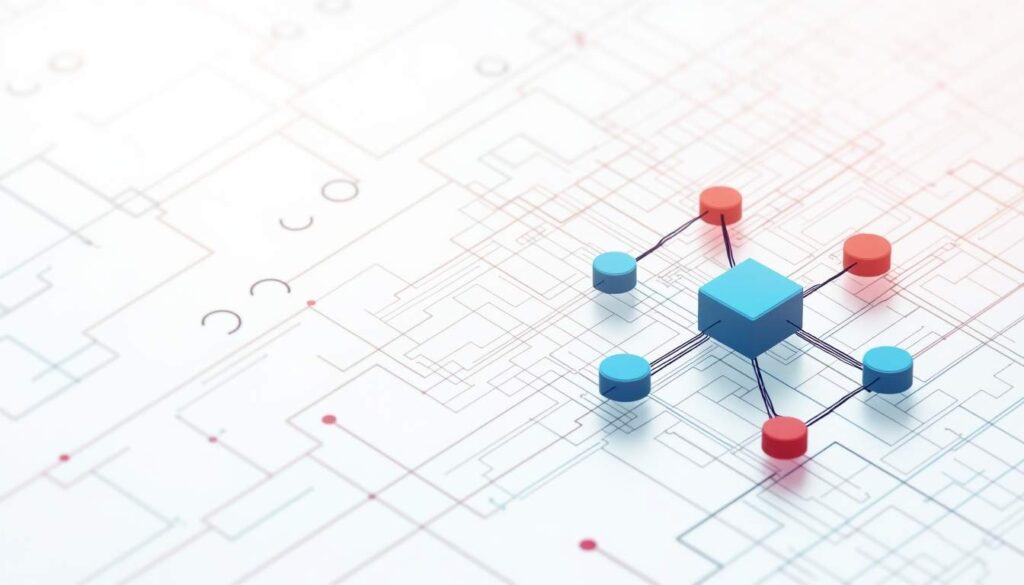
BlockDAG stands for Block Directed Acyclic Graph. Unlike the classic blockchain, which is a single chain of blocks linked one after another, BlockDAG organizes blocks in a graph structure. This graph allows multiple blocks to be created and confirmed simultaneously without waiting for one block to be added before the next.
Think of it like a highway system. Traditional blockchains are like a single-lane road where cars (transactions) must follow one after another. BlockDAG, on the other hand, is a multi-lane highway with many routes running in parallel, enabling more cars to move at the same time without traffic jams.
How Does the DAG Structure Work?
The key feature of a Directed Acyclic Graph (DAG) is that it flows in one direction and never loops back on itself. Each block in a BlockDAG references multiple previous blocks, not just one. This referencing creates a web of blocks, where the network can process many blocks concurrently.
This structure reduces the bottlenecks seen in traditional blockchains, where miners or validators must wait for the current block to be finalized before adding the next. Instead, BlockDAG networks can handle a higher volume of transactions, improving throughput and reducing confirmation times. This is particularly advantageous for applications that require high-speed transactions, such as micropayments or real-time data feeds, where delays can significantly impact user experience.
Moreover, the decentralized nature of BlockDAG enhances security and resilience against attacks. Since there are multiple paths for transactions to be confirmed, it becomes increasingly difficult for malicious actors to manipulate the system. Each block’s validation relies on a network of confirmations from various other blocks, creating a robust and trustworthy environment for users. This innovative approach not only paves the way for more scalable solutions but also opens the door for new use cases in sectors like supply chain management, IoT, and decentralized finance (DeFi), where efficiency and security are paramount.
Why Does BlockDAG Matter in Crypto?
Scalability has been the Achilles’ heel of many blockchain projects. Bitcoin and Ethereum, for example, have faced challenges handling large numbers of transactions quickly. The result? Higher fees and slower processing times during peak demand.
BlockDAG offers a solution by enabling parallel block creation and validation. This means more transactions can be processed simultaneously, which directly addresses scalability issues.
Faster Transactions Without Sacrificing Security
One might wonder if increasing speed compromises security. BlockDAG designs incorporate robust consensus mechanisms that maintain network integrity even as blocks are created in parallel. The graph structure helps the network reach agreement on transaction order and validity without the delays traditional blockchains face.
In practice, this means users experience quicker transaction confirmations while the network remains secure against attacks like double-spending or forks that can split the chain. Additionally, the decentralized nature of BlockDAG allows for a more resilient network, as the failure of one node does not jeopardize the entire system. This redundancy is crucial in maintaining trust and reliability, especially in high-stakes financial transactions.
Lower Fees and Increased Efficiency
Because BlockDAG networks can handle more transactions at once, the competition for block space decreases. This leads to lower transaction fees, making the network more accessible for everyday use. Efficiency improvements also mean less energy consumption per transaction, an important consideration as the crypto community seeks greener solutions.
Moreover, the reduced fees and increased throughput can encourage the development of decentralized applications (dApps) that require frequent transactions, such as gaming platforms and micro-payment systems. These applications thrive in environments where transaction costs are minimal and processing speed is high, opening up new avenues for innovation within the crypto ecosystem. As more developers recognize the advantages of BlockDAG, we may witness a surge in creative use cases that leverage its unique capabilities, further solidifying its importance in the future of blockchain technology.
Real-World Examples of BlockDAG in Action
Several projects have embraced BlockDAG technology, each with its unique approach and use cases. Understanding these examples helps clarify how BlockDAG is more than just theory-it’s actively shaping the future of decentralized systems.
IOTA and the Tangle
IOTA’s Tangle is one of the earliest and most well-known implementations of a DAG-based ledger. Instead of mining, IOTA requires each user to validate two previous transactions before submitting their own. This creates a web of interconnected transactions that grow in parallel, allowing for feeless microtransactions and scalability suited for the Internet of Things (IoT).
This design eliminates miners and transaction fees, making it ideal for devices that need to send tiny amounts of data or value frequently and quickly. The implications for IoT are profound, as devices can autonomously transact without human intervention, enabling a new era of smart cities and automated supply chains. For instance, smart appliances can negotiate energy prices, while sensors can report data in real-time, all facilitated by IOTA’s architecture.
Hedera Hashgraph
Hedera Hashgraph uses a gossip protocol combined with virtual voting to reach consensus on a DAG structure. It offers fast, fair, and secure transactions with high throughput. Unlike traditional blockchains, Hedera can process thousands of transactions per second, making it suitable for enterprise applications requiring speed and reliability.
Moreover, Hedera’s governance model is unique, involving a council of global enterprises that oversee the network’s development and operations. This not only enhances the network’s stability but also builds trust among users, as decisions are made transparently and collaboratively. As a result, Hedera is being adopted for various applications, from supply chain management to digital identity verification, showcasing its versatility in addressing real-world challenges.
Other Emerging BlockDAG Projects
Projects like Conflux and Phantom also explore BlockDAG architectures to enhance scalability and security. Each brings innovations in consensus algorithms and network design, pushing the boundaries of what decentralized ledgers can achieve. Conflux, for example, utilizes a unique tree-structured approach to its DAG, which allows for high throughput and low latency, making it particularly appealing for decentralized applications (dApps) that require rapid interactions.
Phantom, on the other hand, focuses on providing a secure environment for DeFi applications by integrating advanced cryptographic techniques. Its ability to handle complex transactions efficiently while ensuring security makes it a strong contender in the competitive landscape of blockchain technology. As these projects continue to evolve, they not only contribute to the growing ecosystem of BlockDAG solutions but also inspire new use cases that could redefine industries from finance to healthcare.
Challenges and Considerations with BlockDAG
No technology is without its hurdles, and BlockDAG is no exception. While promising, it introduces complexities that developers and users must consider carefully.

Complexity in Consensus
Reaching consensus in a graph structure is more complicated than in a linear chain. The network must agree on the order of transactions and how to handle conflicting blocks. Designing algorithms that can efficiently and fairly resolve these issues is a significant challenge.
Some BlockDAG systems use sophisticated voting or reputation mechanisms to maintain trust and consistency. These mechanisms require rigorous testing to ensure they work reliably under various network conditions. Additionally, the dynamic nature of BlockDAGs can lead to scenarios where the consensus algorithm must adapt in real-time, further complicating the design process. Developers must also consider the potential for network splits and how to reconcile divergent histories, which adds another layer of complexity to the consensus challenge.
Network Synchronization
Because multiple blocks are created simultaneously, nodes need to stay synchronized to maintain an accurate and consistent view of the ledger. This demands efficient communication protocols and can increase the complexity of node software. The challenge is compounded by the need for low-latency communication to ensure that nodes can quickly propagate new information and updates across the network.
Moreover, as the number of nodes increases, the potential for network congestion rises, which can lead to delays in synchronization. To mitigate these issues, some BlockDAG implementations explore innovative approaches like sharding or partitioning the network, allowing for parallel processing of transactions. However, these solutions introduce their own set of challenges, particularly in maintaining the integrity and security of the overall system while ensuring that all nodes remain in sync.
Adoption and Ecosystem Support
Blockchain ecosystems thrive on developer tools, wallets, exchanges, and community support. BlockDAG projects must build or integrate these components to gain traction. Compatibility with existing infrastructure and ease of use are critical for widespread adoption. Furthermore, fostering a vibrant developer community is essential, as it can drive innovation and provide valuable feedback for improving the technology.
To facilitate this ecosystem, BlockDAG projects often engage in educational initiatives to raise awareness and understanding of their unique features and advantages. By hosting hackathons, workshops, and webinars, they can attract developers who may be unfamiliar with BlockDAG technology, thereby expanding the talent pool. Additionally, partnerships with established blockchain platforms can help bridge the gap between traditional blockchain users and the new possibilities offered by BlockDAG, promoting a smoother transition and greater acceptance within the broader cryptocurrency landscape.
Looking Ahead: The Future of BlockDAG in Crypto
BlockDAG represents a significant shift in how decentralized ledgers can be structured. Its potential to solve long-standing scalability and speed issues makes it a compelling alternative to traditional blockchains.

As more projects experiment with and refine BlockDAG designs, expect to see increased adoption, especially in areas where fast, low-cost transactions are essential. Industries like IoT, supply chain management, and decentralized finance stand to benefit greatly.
Integration with Other Technologies
Combining BlockDAG with advancements like sharding, layer-2 solutions, and zero-knowledge proofs could unlock even greater performance and privacy benefits. These hybrid approaches may define the next generation of blockchain technology.
Community and Developer Engagement
For BlockDAG to reach its full potential, active participation from developers, researchers, and users is crucial. Open-source projects, educational resources, and collaborative efforts will drive innovation and address existing challenges.
Conclusion
BlockDAG is more than just a technical curiosity; it’s a practical step forward in blockchain evolution. By reimagining how blocks relate to each other, it opens the door to faster, more scalable, and efficient decentralized networks.
Understanding BlockDAG helps anyone interested in crypto grasp where the technology is headed and what possibilities lie ahead. Whether you’re a developer, investor, or enthusiast, keeping an eye on BlockDAG innovations is a smart move in navigating the future of blockchain.