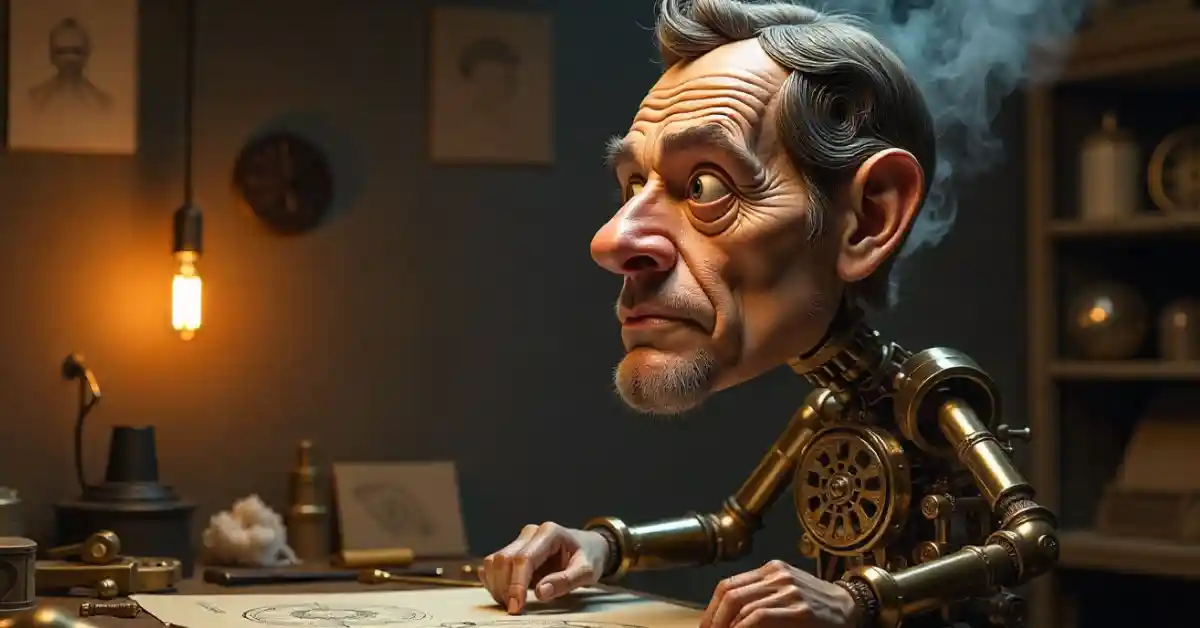
Imagine a world where caricature meets intricate craftsmanship, where humor and detail collide in a way that’s both captivating and thought-provoking. This is the realm of Caricatronchi, an art form that blends exaggerated portraiture with mechanical elements to create pieces that are as dynamic as they are visually stunning. If you’ve never heard of Caricatronchi before, prepare to dive into a fascinating artistic journey.
What Exactly Is Caricatronchi?
Caricatronchi is a niche art style that combines caricature—a form of portraiture that exaggerates distinctive features for comic or dramatic effect—with mechanical components, often inspired by steampunk aesthetics or kinetic sculpture. The result is a hybrid artwork that feels alive, almost as if the characters could spring into motion at any moment.
The term itself is a blend of “caricature” and “tronchi,” the latter referring to mechanical trunks or bodies. Artists working in this medium often create sculptures or mixed-media pieces where the human or animal figures are integrated with gears, cogs, and other mechanical parts. These elements aren’t just for decoration; they often serve a functional purpose, allowing parts of the sculpture to move or interact with the viewer. This interplay between static and kinetic elements not only captivates the audience but also invites them to engage with the art on a deeper level, prompting questions about the relationship between humanity and technology.
The Origins of Caricatronchi
The roots of Caricatronchi can be traced back to the early 20th century, when artists began experimenting with combining traditional caricature with mechanical devices. While caricature itself has a long history—dating back to the Renaissance and beyond—the addition of mechanical elements is a more recent innovation. Early pioneers were often influenced by the rise of industrial machinery and the fascination with automatons. This fascination was not merely a reflection of the technological advancements of the time, but also a commentary on the mechanization of society and the loss of individuality in an increasingly industrial world.
One of the key influences was the steampunk movement, which romanticizes Victorian-era machinery and aesthetics. Artists inspired by this style started incorporating gears, levers, and clockwork into their caricatures, creating whimsical yet intricate pieces. The steampunk aesthetic allows for a playful exploration of the past while imagining a future where art and technology coexist harmoniously. Over time, Caricatronchi evolved into a distinct genre, with artists pushing the boundaries of what could be achieved through mixed media. They often draw inspiration from literature, film, and even social commentary, infusing their works with narratives that explore themes of identity, transformation, and the intersection of the organic and the mechanical. This rich tapestry of influences not only enhances the visual appeal of Caricatronchi but also deepens its significance as a form of contemporary artistic expression.
Techniques and Materials Used in Caricatronchi
Creating a Caricatronchi piece requires a unique blend of artistic skills and technical know-how. It’s not just about drawing or sculpting; it’s about engineering a piece that can move or interact in some way. This makes the process both challenging and rewarding.
Sketching and Design
Every Caricatronchi starts with a concept. Artists usually begin by sketching exaggerated features of their subject, focusing on what makes the person or character instantly recognizable. The exaggerated elements are then integrated with mechanical parts in the design phase. This step is crucial because the mechanical components need to complement the caricature rather than overpower it.
Designing the mechanical aspects often involves basic engineering principles. Artists must consider how gears will fit together, how moving parts will be powered (whether by hand, wind-up mechanisms, or small motors), and how to balance the sculpture so it remains stable.
Materials and Construction
The choice of materials varies widely depending on the artist’s style and the intended function of the piece. Common materials include:
- Metal: Brass, copper, steel, and aluminum are popular for gears, frames, and mechanical parts.
- Wood: Often used for structural components or decorative elements, wood adds warmth and texture.
- Clay and Resin: These materials are favored for sculpting the caricatured faces and bodies.
- Found Objects: Vintage clock parts, watch components, and other recycled mechanical pieces are frequently incorporated.
Construction typically involves a mix of traditional sculpting techniques and mechanical assembly. Welding, soldering, and precision fitting are common practices. Some artists also use 3D printing to create custom parts that fit perfectly within their designs.
Movement and Interaction
One of the defining features of Caricatronchi is movement. Many pieces include kinetic elements that bring the caricature to life. For example, a sculpture’s eyes might follow the viewer, or a hand might wave when a lever is pulled.
These movements can be powered in several ways:
- Manual: Hand-cranks or levers that the viewer can operate.
- Wind-up mechanisms: Springs that store energy and release it to power movement.
- Electric motors: Small motors powered by batteries or plugs for continuous or programmed motion.
The integration of these mechanisms requires careful planning to ensure durability and smooth operation, adding an engineering challenge to the artistic process.
Notable Artists and Iconic Caricatronchi Works
While Caricatronchi remains a relatively specialized art form, several artists have gained recognition for their innovative work in this space. Their pieces often blur the line between art and engineering, captivating audiences worldwide.
Lucien Moreau: The Master of Mechanical Caricature
Lucien Moreau is often credited with popularizing Caricatronchi in the modern era. His sculptures are known for their intricate detail and playful humor. Moreau’s works frequently feature exaggerated political figures or celebrities, rendered with a mix of brass gears and hand-painted resin faces.
One of his most famous pieces, “The Clockwork Senator,” depicts a politician whose head turns and eyes blink, powered by a hidden wind-up mechanism. The piece is both a commentary on political machinery and a technical marvel.
Isabella Chen: Blending Tradition and Innovation
Isabella Chen combines traditional Chinese caricature techniques with modern mechanical elements. Her sculptures often incorporate delicate porcelain faces with intricate metal frameworks inspired by ancient Chinese automata. Chen’s work is celebrated for its cultural depth and technical sophistication.
Her piece “Dragon’s Whimsy” features a caricatured dragon whose wings flap gently when a small lever is activated, blending myth with mechanical artistry.
Other Influential Artists
Artists like Marco Vasquez and Sofia Rinaldi have also contributed significantly to the Caricatronchi movement. Vasquez’s work often explores themes of urban life and technology, while Rinaldi focuses on whimsical animal caricatures with kinetic elements.
The community of Caricatronchi artists is growing, with exhibitions and workshops helping to spread interest and innovation in the field.
How to Get Started with Caricatronchi
If the idea of creating your own Caricatronchi pieces intrigues you, there are several steps to take before diving in. This art form demands patience, creativity, and a willingness to learn new skills.

Building Your Skill Set
Start by honing your caricature drawing skills. Understanding how to exaggerate features while maintaining likeness is essential. Many artists practice by sketching friends, family, or public figures, focusing on what makes each face unique.
Next, familiarize yourself with basic mechanics and materials. Workshops in metalworking, woodworking, or even robotics can provide valuable hands-on experience. Learning how gears and levers work will make the construction phase much smoother.
Gathering Materials and Tools
Begin collecting materials that inspire you. Vintage clock parts, scrap metal, and old toys can be great sources of mechanical components. Tools like pliers, soldering irons, and small hand drills are often necessary. If possible, access to a makerspace or workshop can be invaluable.
Starting Small
Don’t try to build a complex kinetic sculpture right away. Start with simple projects, such as a caricature with a movable jaw or blinking eyes. This will help you understand the mechanics involved and build confidence.
Document your process and learn from each attempt. Caricatronchi is as much about experimentation as it is about precision.
Where to See and Appreciate Caricatronchi Art
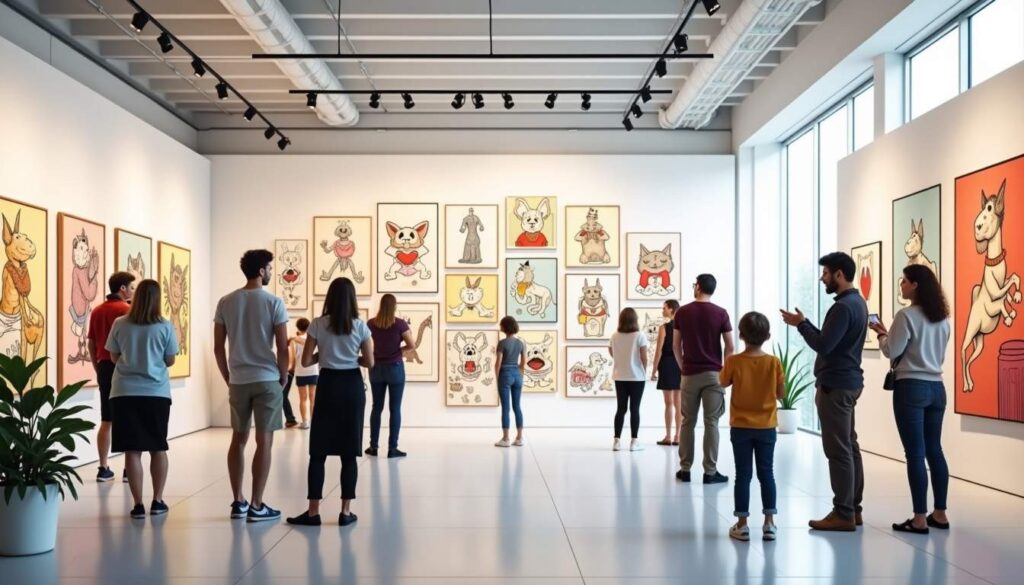
Finding Caricatronchi art in galleries or museums can be a bit of a treasure hunt, but several venues and events showcase this unique art form.
Specialized Exhibitions and Festivals
Art festivals focused on kinetic art or steampunk often feature Caricatronchi pieces. These events provide an excellent opportunity to see a variety of works up close and meet the artists behind them. Annual exhibitions in cities like Paris, Berlin, and Tokyo have started dedicating space to this genre.
Museums and Private Collections
Some museums with a focus on modern sculpture or mechanical art include Caricatronchi works in their collections. Private collectors also play a significant role in preserving and promoting these pieces. Checking museum websites or contacting galleries that specialize in kinetic or mixed-media art can lead to discovering Caricatronchi exhibitions.
Online Communities and Virtual Galleries
The internet has become a vital platform for Caricatronchi artists. Social media, artist websites, and virtual galleries allow enthusiasts to share their work and connect globally. Platforms like Instagram and Pinterest are great places to explore the latest creations and learn about upcoming shows.
The Future of Caricatronchi
As technology advances, the possibilities for Caricatronchi continue to expand. Artists are experimenting with digital fabrication tools like 3D printing and laser cutting, which allow for even more intricate and precise mechanical parts. Integration with electronics and programming is also opening doors to interactive sculptures that respond to viewers or environmental stimuli.
Despite these innovations, the heart of Caricatronchi remains the playful exaggeration of character combined with mechanical ingenuity. It’s an art form that invites curiosity, laughter, and admiration for both artistic talent and engineering skill.
Whether you’re an artist looking to explore new creative horizons or simply an art lover fascinated by the blend of humor and mechanics, Caricatronchi offers a rich and rewarding world to discover.