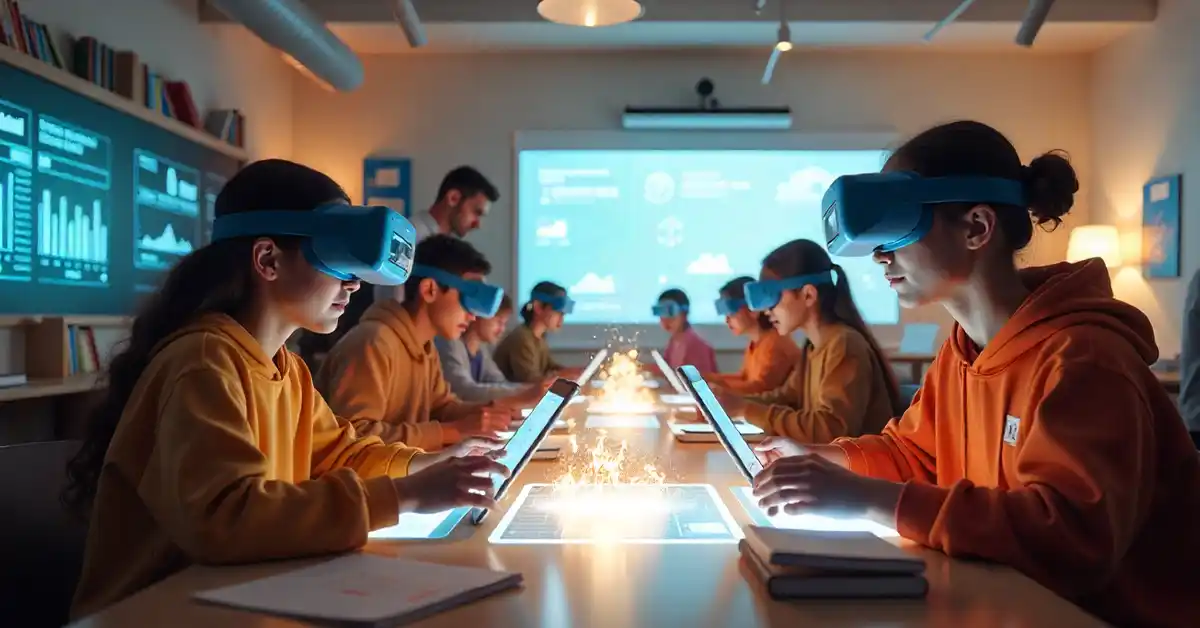
Imagine a classroom where students don’t just passively absorb information but actively engage, collaborate, and create. This is the essence of duaction, a concept that’s reshaping how educators approach teaching and learning. It’s not just a buzzword; it’s a powerful shift toward deeper understanding and meaningful participation.
What Exactly Is Duaction?
Duaction isn’t a term you hear every day, but it’s gaining traction for good reason. At its core, duaction blends two critical elements: doing and acting. It emphasizes learning through active participation rather than passive reception. Instead of memorizing facts or listening to lectures, students are encouraged to dive into tasks, experiments, discussions, and projects that require them to apply knowledge in real time.
This approach moves beyond traditional education models that often prioritize rote learning. Duaction insists that knowledge is best internalized when learners are involved in meaningful action. It’s about making learning tangible and relevant, turning abstract concepts into hands-on experiences. By engaging in duaction, students not only retain information better but also develop critical thinking and problem-solving skills that are essential in today’s fast-paced world.
The Roots of Duaction in Educational Theory
Duaction draws inspiration from constructivist theories, where learners build understanding through experience. Think of John Dewey’s emphasis on experiential learning or Jean Piaget’s stages of cognitive development. Both highlighted the importance of interaction with the environment to foster growth. Duaction takes these ideas and applies them in practical, everyday classroom settings. This dynamic approach encourages students to take ownership of their learning, fostering a sense of agency and motivation that is often lacking in more conventional educational frameworks.
It also aligns with modern pedagogical trends like project-based learning and inquiry-based learning. These methods encourage students to explore questions, solve problems, and reflect on their findings, all of which are central to duaction’s philosophy. For instance, in a science class, rather than simply reading about ecosystems, students might engage in a project where they create their own mini-ecosystems, observe the interactions within them, and draw conclusions based on their observations. This not only solidifies their understanding of ecological concepts but also cultivates teamwork and collaboration skills as they work together to design and conduct experiments. The emphasis on real-world applications makes learning not just an academic exercise, but a preparation for life beyond the classroom.
How Duaction Changes the Classroom Dynamic
Traditional classrooms often revolve around the teacher as the primary source of knowledge. Students listen, take notes, and regurgitate information during tests. Duaction flips this model on its head.
In a duaction-driven classroom, the teacher becomes a facilitator or guide rather than a lecturer. Students are given opportunities to collaborate, experiment, and even teach one another. This shift fosters a more democratic and interactive learning environment, where each student’s voice is valued and contributions are recognized. The classroom transforms into a vibrant community of learners, where diverse ideas and perspectives are shared, enriching the educational experience for everyone involved.
Engagement and Motivation Soar
When students actively participate, their engagement naturally increases. Tasks that require doing and acting tap into curiosity and creativity. Instead of passively waiting for information, learners take ownership of their education. This sense of agency boosts motivation and helps sustain interest over time. Moreover, when students see the relevance of what they are learning to their own lives and interests, they are more likely to invest time and effort into their studies.
For example, a science class might replace a textbook chapter on ecosystems with a hands-on project where students build mini-ecosystems and observe changes over weeks. This kind of immersive experience is far more memorable and impactful. Students might even document their findings through videos or presentations, allowing them to share their discoveries with peers and parents, further reinforcing their learning and enthusiasm for the subject matter.
Building Critical Thinking and Problem-Solving Skills
Duaction also nurtures essential skills like critical thinking and problem-solving. When students are actively involved, they encounter real challenges that require analysis, decision-making, and creativity. These aren’t just academic exercises; they prepare learners for real-world situations. The ability to think critically and solve problems is invaluable in today’s fast-paced, ever-changing world, where adaptability and innovation are key to success.
Consider a history lesson where students role-play historical figures debating a treaty. This active involvement demands understanding multiple perspectives and crafting arguments, sharpening analytical skills in the process. Additionally, students may be encouraged to research the historical context and implications of the treaty, fostering a deeper understanding of the subject matter. Such activities not only enhance knowledge retention but also empower students to become informed citizens who can engage thoughtfully in societal issues.
The Role of Technology in Facilitating Duaction
Technology has become a powerful ally in promoting duaction. Digital tools can transform passive content into interactive experiences that encourage doing and acting.
Interactive Platforms and Virtual Simulations
Online platforms now offer simulations where students can experiment with scientific phenomena, conduct virtual dissections, or manipulate variables in a math problem. These tools provide immediate feedback and allow learners to test hypotheses in a safe, controlled environment.
For instance, virtual labs enable students to perform chemistry experiments without the risks or costs associated with physical labs. This accessibility broadens opportunities for hands-on learning, especially in schools with limited resources. Moreover, these platforms often incorporate gamification elements, which can further enhance engagement. By earning points or badges for completing tasks, students are motivated to explore and deepen their understanding of complex topics, making learning both enjoyable and effective.
Collaborative Tools That Connect Learners
Collaboration is a cornerstone of duaction, and technology facilitates this like never before. Tools like shared documents, video conferencing, and project management apps enable students to work together regardless of physical location.
Group projects become dynamic, ongoing conversations rather than isolated assignments. Students learn to communicate, negotiate, and build consensus—skills that are invaluable beyond the classroom walls. Additionally, these collaborative tools often allow for real-time editing and brainstorming, fostering a sense of community and shared purpose among learners. By engaging in peer review processes through these platforms, students can provide and receive constructive feedback, enhancing their critical thinking and analytical skills while also learning to appreciate diverse perspectives in problem-solving.
Challenges and Considerations When Implementing Duaction
Despite its benefits, duaction isn’t without challenges. Shifting from traditional teaching methods requires careful planning and support.

Teacher Training and Mindset Shift
Teachers need training to design and manage duaction-based activities effectively. It’s not just about throwing students into projects; educators must guide inquiry, scaffold learning, and assess progress in new ways.
This often means changing long-held beliefs about what teaching looks like. Some educators may feel uncomfortable relinquishing control or unsure how to evaluate active learning fairly. Professional development programs that focus on collaborative learning and peer observation can help teachers build confidence in their new roles. By sharing experiences and strategies, educators can cultivate a supportive community that embraces the transformative nature of duaction.
Balancing Curriculum Requirements and Flexibility
Standardized testing and rigid curricula can make it difficult to fully embrace duaction. Schools must find ways to balance required content coverage with the flexibility needed for active learning.
Integrating duaction doesn’t mean abandoning standards but rather finding creative ways to meet them through doing and acting. For example, a math concept can be taught through a real-world budgeting project that covers the same objectives as traditional lessons. Moreover, interdisciplinary approaches can enhance this balance; by connecting subjects like science and art, educators can create engaging projects that fulfill multiple curriculum requirements while fostering critical thinking and creativity.
Equity and Access Issues
Not all students have equal access to technology or supportive learning environments outside school. Implementing duaction effectively requires addressing these disparities to ensure every learner benefits.
Schools and districts need to consider resource allocation, provide necessary devices, and create inclusive spaces where all students can participate fully. Additionally, fostering partnerships with community organizations can help bridge the gap, offering students access to mentorship, resources, and extracurricular opportunities that enhance their learning experiences. By actively engaging families and communities, schools can create a more equitable landscape that supports all learners in their duaction journey.
Long-Term Impact of Duaction on Learners
The true value of duaction reveals itself over time. Students who experience active, participatory learning often develop a lifelong love of learning and resilience. This transformative approach not only enhances academic performance but also instills a sense of curiosity that drives learners to seek knowledge beyond the classroom. As they engage with diverse subjects and perspectives, they cultivate a habit of inquiry that can lead to innovative thinking and a deeper understanding of the world around them.

Fostering Independence and Confidence
By engaging directly with material and solving problems, learners build confidence in their abilities. They become more independent thinkers, less reliant on external validation. This self-assurance carries into higher education and careers, where adaptability and initiative are prized. Furthermore, the skills developed through duaction—such as self-directed learning and critical evaluation—empower students to take ownership of their educational journeys. As they encounter challenges, they learn to view obstacles as opportunities for growth, fostering a mindset that embraces lifelong learning.
Moreover, the collaborative nature of duaction encourages peer-to-peer learning, allowing students to share insights and strategies. This exchange not only reinforces their understanding but also builds a supportive community where learners feel valued and motivated. The friendships and networks formed during this process can provide lasting benefits, as students often find mentors and allies who continue to inspire them long after they leave the classroom.
Preparing Students for a Complex World
Modern life demands skills beyond memorization: collaboration, creativity, critical thinking, and adaptability. Duaction equips students with these competencies by immersing them in authentic, challenging experiences. By tackling real-world problems and engaging with community projects, learners gain practical experience that enhances their academic knowledge. This hands-on approach helps them to connect theoretical concepts with real-life applications, making learning more relevant and impactful.
Graduates of duaction-focused programs are often better prepared to navigate uncertainty and contribute meaningfully to their communities and workplaces. They emerge as proactive problem solvers who are not only equipped with knowledge but also possess the emotional intelligence necessary to work effectively with diverse teams. In an increasingly interconnected world, the ability to communicate, empathize, and collaborate with others is invaluable. As these students step into their roles as leaders and innovators, they carry with them the principles of duaction, fostering a culture of continuous improvement and social responsibility in every endeavor they undertake.
Conclusion: Embracing Duaction for Meaningful Education
Duaction represents a powerful shift toward making education more engaging, relevant, and effective. It challenges educators to rethink their roles and encourages students to become active participants in their learning journeys.

While it requires effort to implement and support, the benefits for learners are profound. As education continues to evolve, duaction offers a path forward-one where doing and acting bring knowledge to life.