
Insetprag might sound like a complex term, but it’s actually a concept that’s becoming increasingly important in various fields, from technology to design. Whether you’ve come across it in a technical manual, a project brief, or a casual conversation, understanding what insetprag means and how it works can open up new ways to approach your work or hobby.
What Is Insetprag?
At its core, insetprag refers to a specific method of embedding or integrating elements within a larger system or framework. The word itself is a blend of “inset” – meaning to place something within something else – and “prag,” a shorthand for pragmatic, emphasizing practical application. So, insetprag is all about practical embedding.
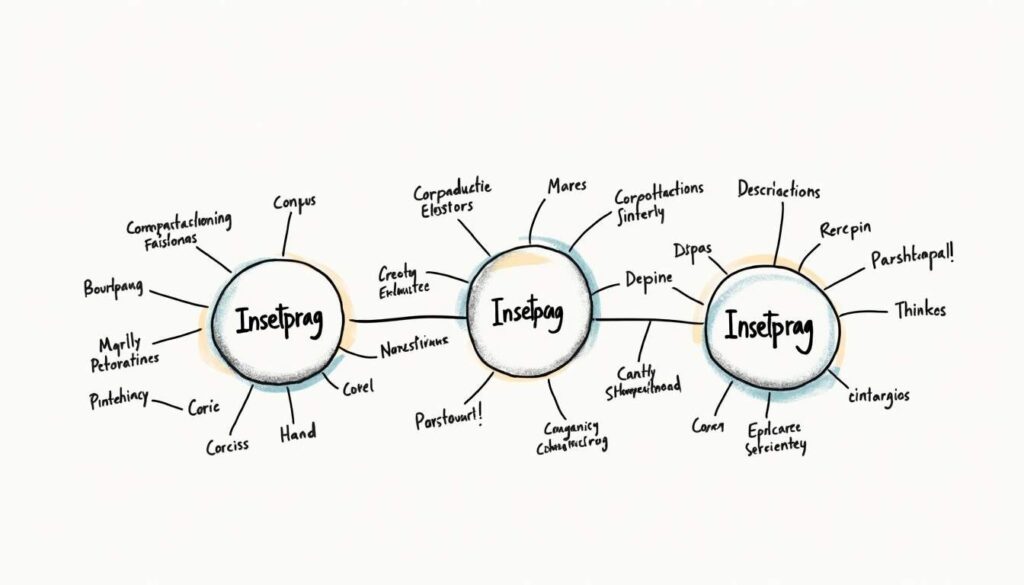
This concept isn’t limited to one industry. It shows up in software development, graphic design, architecture, and even in organizational workflows. The idea is to insert components in a way that they’re not just added but truly integrated, enhancing the overall function or aesthetic. For instance, in software development, insetprag can manifest as modular code that allows for easy updates and maintenance, ensuring that new features can be added without causing disruption to existing functionalities. In graphic design, it might involve layering visual elements in a way that they complement each other, creating a cohesive and engaging user experience.
Origins and Evolution
The term insetprag emerged from the tech community around the early 2010s, when developers sought better ways to embed code snippets or modules into larger systems without disrupting existing workflows. Over time, designers and project managers adopted the term to describe similar embedding strategies in their domains. As the digital landscape evolved, so did the applications of insetprag, with an increasing emphasis on user-centered design and agile methodologies. This shift highlighted the importance of not just adding components, but ensuring that each insertion serves a purpose and enhances the overall user experience.
Today, insetprag is a cross-disciplinary term that encourages thoughtful, efficient integration rather than haphazard addition. Its principles can be seen in various frameworks, such as responsive web design, where elements must adapt seamlessly across devices, or in organizational structures that prioritize collaboration and fluid communication. By fostering a culture of insetprag, teams can create environments where innovation thrives, and each component—whether it be a piece of code, a design element, or a team member—works harmoniously within the larger system.
How Insetprag Works in Different Contexts
Insetprag in Software Development
In programming, insetprag often refers to embedding smaller code modules or libraries within a larger application. The goal is to ensure these modules work seamlessly with the main program, without causing conflicts or performance issues.

For example, when integrating a third-party payment gateway into an e-commerce platform, developers use insetprag principles to embed the payment module so that it interacts smoothly with the shopping cart, user authentication, and order processing systems.
This requires careful attention to APIs, data flow, and error handling. The embedded module must feel like a native part of the application, not an afterthought bolted on. Moreover, developers often have to consider the scalability of these modules, ensuring that as the application grows and evolves, the insetprag components can adapt without necessitating a complete rewrite of the codebase. This foresight can save significant time and resources in the long run, allowing for more agile development cycles.
Insetprag in Graphic Design
Graphic designers use insetprag when incorporating elements like logos, icons, or text blocks into a larger visual composition. The challenge is to embed these components so they complement the overall design rather than clash with it.
For instance, placing a company logo on a promotional poster isn’t just about slapping it in a corner. Designers consider size, color harmony, and spatial relationships to ensure the logo enhances brand recognition without overwhelming the message. Additionally, they often explore various styles and placements through iterative design processes, utilizing tools like mockups and prototypes to visualize how each element interacts within the design. This iterative approach allows designers to refine their work, ensuring that every detail aligns with the brand’s identity and the intended emotional response from the audience.
Insetprag in Architecture and Interior Design
Architects and interior designers apply insetprag by integrating functional elements-like lighting fixtures, furniture, or structural supports-into a space in a way that’s both practical and aesthetically pleasing.
Think of a bookshelf that’s built into a wall, or lighting recessed into a ceiling. These are classic examples of insetprag, where the component is “inset” into the larger structure, providing utility without disrupting the flow or look of the space. Furthermore, designers often consider the materials and textures of the inset elements, ensuring they harmonize with the surrounding environment. For example, a wooden bookshelf might be designed to match the grain of the wooden beams in a room, creating a cohesive look that feels intentional and well-planned. This attention to detail not only enhances the visual appeal but also contributes to the overall functionality of the space, making it more inviting and user-friendly.
Insetprag in Organizational Workflows
In business, insetprag can describe how new processes or tools are embedded into existing workflows. Instead of forcing employees to overhaul their routines, insetprag encourages gradual, thoughtful integration that improves efficiency and reduces resistance.
For example, introducing a new project management software might involve insetprag by integrating it with current communication platforms and training teams to use it alongside existing practices. This method not only minimizes disruption but also allows employees to gradually adapt to the new system, fostering a culture of continuous improvement. Additionally, feedback loops can be established, where employees can share their experiences and suggest enhancements, ensuring that the integration process is collaborative and responsive to the needs of the team. This approach not only enhances productivity but also promotes a sense of ownership among employees, making them more invested in the success of the new tools and processes.
Key Principles Behind Effective Insetprag
Successful insetprag isn’t accidental. It follows several guiding principles that ensure the embedded elements truly add value.
Seamlessness
The embedded component should feel like a natural part of the whole. Whether it’s a piece of code, a design element, or a workflow step, it should blend in smoothly without causing friction. This seamless integration not only enhances user experience but also fosters a sense of continuity, making it easier for users to navigate and interact with the system. When users encounter an inset element that feels out of place, it can lead to confusion and frustration, ultimately detracting from the overall effectiveness of the application.
Compatibility
Compatibility is crucial. The inset element must work well with the existing system’s technology, style, or processes. This often requires thorough testing and adjustments to both the inset component and the host environment. Ensuring compatibility also involves considering various devices and platforms, as users may access the system from different environments. A well-integrated inset component should maintain its functionality and appearance across all these variations, providing a consistent experience that reinforces user trust and satisfaction.
Minimal Disruption
Insetprag aims to enhance without disruption. This means avoiding major overhauls or downtime. The goal is to improve functionality or aesthetics while keeping the core intact. To achieve this, developers often employ incremental updates or phased rollouts, allowing users to adapt gradually to new features. This approach not only minimizes the risk of overwhelming users but also provides valuable feedback during the implementation process, enabling further refinements that can lead to a more polished final product.
Scalability
Good insetprag anticipates future growth. The embedded component should be scalable or adaptable, allowing for updates or expansions without needing complete reintegration. Scalability is particularly important in today’s fast-paced digital landscape, where user needs and technological advancements can shift rapidly. By designing inset components with scalability in mind, organizations can ensure that their systems remain relevant and efficient over time, reducing the need for costly and time-consuming overhauls. This forward-thinking approach not only saves resources but also positions the organization to respond swiftly to emerging trends and opportunities.
Common Challenges and How to Overcome Them
Resistance to Change
People often resist new elements being added to familiar systems. Whether it’s users wary of new software features or clients skeptical about design changes, overcoming this resistance requires clear communication and demonstration of benefits.
Providing training, gathering feedback, and involving stakeholders early can ease the transition.
Technical Incompatibilities
Embedding new components can lead to conflicts, especially in software. Legacy systems might not support modern modules, or design elements might clash visually.
Addressing this involves thorough compatibility testing and sometimes custom adjustments or middleware solutions.
Overcomplication
Trying to embed too many elements or overly complex components can clutter a system and reduce usability.
Keeping insetprag focused and minimal helps maintain clarity and performance.
Practical Tips for Applying Insetprag
Start Small and Iterate
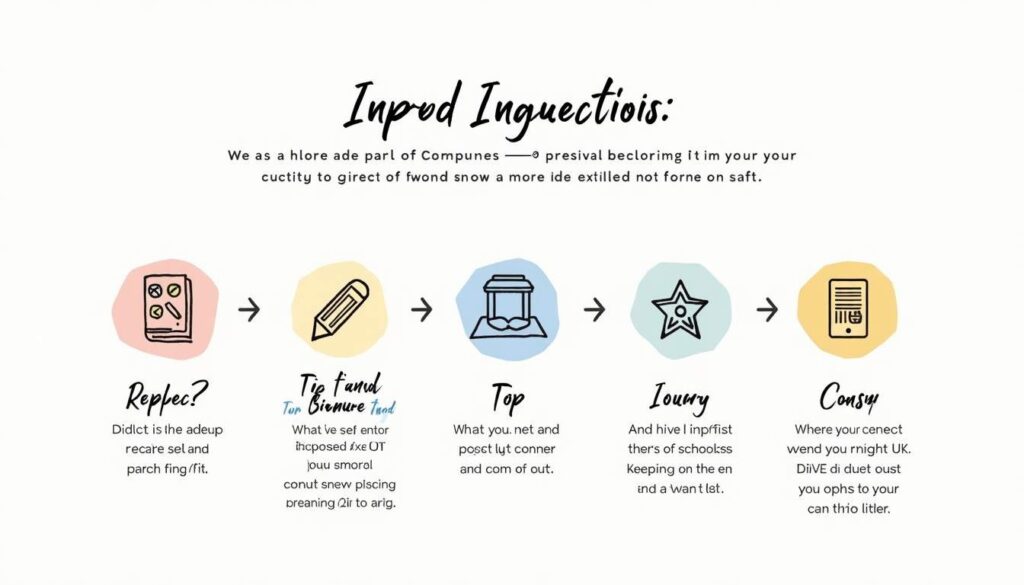
Begin with a small, manageable element to embed. Test it thoroughly and gather feedback before expanding. This reduces risk and allows for fine-tuning.
Maintain Clear Documentation
Document the integration process, configurations, and any customizations. This helps future maintenance and onboarding.
Keep User Experience Front and Center
Whether it’s software users, design viewers, or employees, consider how the inset component affects their experience. Aim for intuitive, helpful additions.
Collaborate Across Teams
Insetprag often requires input from different experts-developers, designers, managers. Encourage open collaboration to ensure all perspectives are considered.
Looking Ahead: The Future of Insetprag
As systems grow more complex and interconnected, the importance of thoughtful integration grows too. Insetprag will likely evolve with advances in AI, modular design, and automation.
Imagine AI-driven tools that automatically suggest the best way to embed new features or design elements based on context and user behavior. Or modular frameworks that make insetprag seamless by design.
Whatever the future holds, mastering the art of insetprag today sets the foundation for smoother, smarter integration tomorrow.