Lyposingrass isn’t a household name yet, but it’s quietly making waves among herbal enthusiasts, gardeners, and natural health advocates. This unique plant combines aesthetic charm with practical benefits, making it a must-know for anyone interested in expanding their botanical horizons. Whether you’re curious about its health perks, how to incorporate it into your daily routine, or the best way to cultivate it at home, this guide covers everything you need to know.
What Is Lyposingrass?
Lyposingrass is a perennial herb native to subtropical regions, prized for its slender, grass-like leaves and subtle, citrusy aroma. It belongs to the Poaceae family, sharing some characteristics with lemongrass but standing apart due to its unique chemical profile and growth habits. The plant thrives in warm climates but can adapt to a variety of environments, making it versatile for gardeners and herbalists alike.
Its name often sparks curiosity. “Lyposingrass” derives from the Greek word “lypos,” meaning fat or oil, hinting at the plant’s rich essential oil content. This oil is the source of many of its touted health benefits and aromatic qualities.
Appearance and Growth Habits
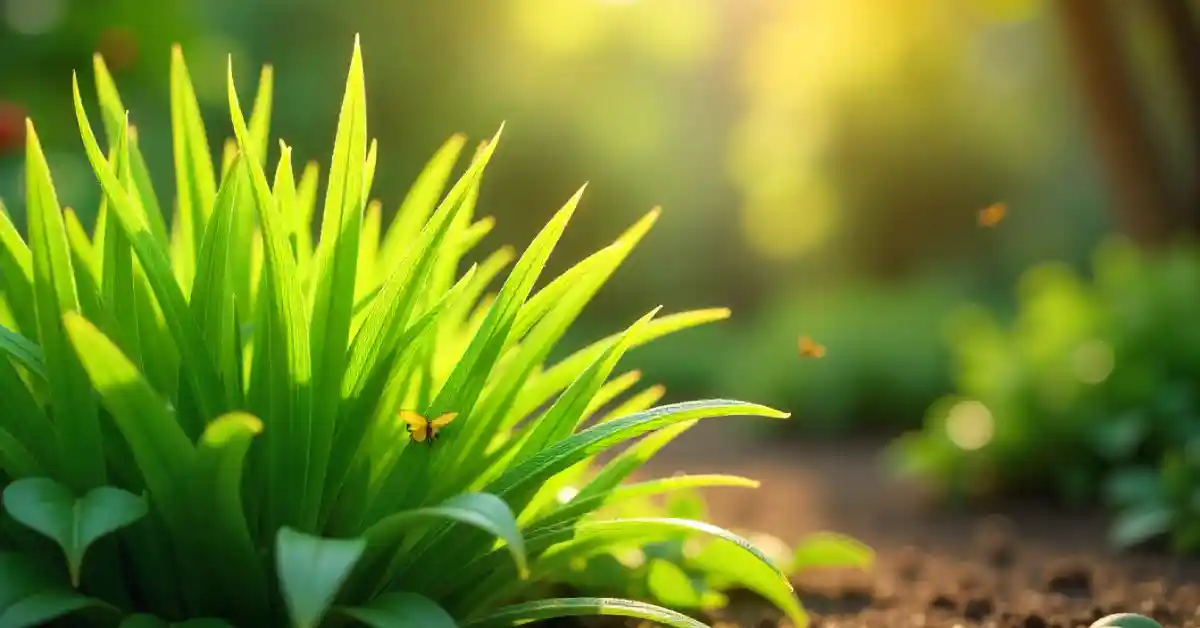
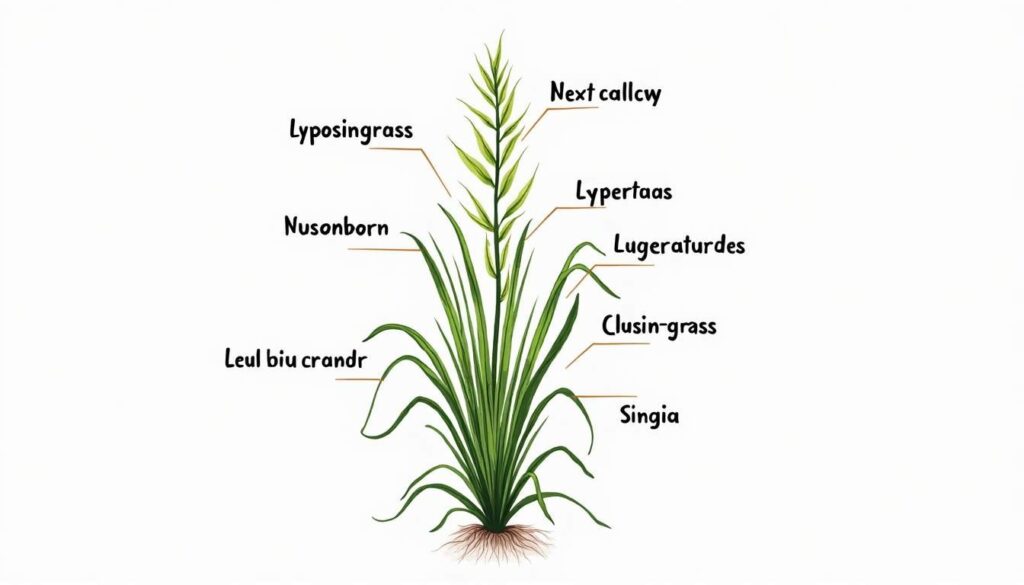
Lyposingrass grows in dense clumps, reaching heights of up to 3 feet. The leaves are long, narrow, and slightly arching, with a smooth texture and a faintly glossy surface. When crushed, the leaves release a fresh, lemony scent with subtle herbal undertones. Its flowers are small and inconspicuous, usually appearing as delicate spikes that blend seamlessly into the foliage. The plant’s growth habit allows it to form a lush ground cover, making it an attractive addition to ornamental gardens and landscapes.
In terms of cultivation, Lyposingrass prefers well-drained soil and benefits from regular watering, especially during dry spells. It can be propagated through division or seed, although division is often favored for its quicker establishment. Additionally, this herb is relatively pest-resistant, which makes it an appealing choice for organic gardening. As it matures, Lyposingrass can also attract various beneficial insects, contributing to a healthier ecosystem in the garden. Its resilience and adaptability not only make it a favorite among gardeners but also a valuable resource for culinary and medicinal applications.
Health Benefits of Lyposingrass
The health community has started to recognize Lyposingrass for its impressive array of benefits. Its essential oils contain compounds like citral, geraniol, and limonene, which contribute to its therapeutic properties. These compounds not only enhance the flavor of culinary dishes but also play a significant role in promoting well-being, making Lyposingrass a versatile addition to both the kitchen and the medicine cabinet.

Natural Anti-inflammatory and Antioxidant
One of the standout features of Lyposingrass is its anti-inflammatory effect. Traditional medicine has used it to soothe minor aches and pains, particularly muscle soreness and joint stiffness. Scientific studies back this up, showing that the plant’s extracts can reduce inflammation markers in the body. This makes it particularly beneficial for athletes or individuals recovering from injuries, as it can aid in faster recovery times and improved mobility.
Additionally, the antioxidants in Lyposingrass help combat oxidative stress, a process linked to aging and chronic diseases. Regular consumption or topical application of Lyposingrass preparations may support overall cellular health and resilience. By neutralizing free radicals, these antioxidants can also contribute to healthier skin, potentially reducing the appearance of fine lines and promoting a youthful glow.
Digestive Aid and Detoxifier
Lyposingrass is often brewed into teas to aid digestion. It helps relax the digestive tract, easing bloating, cramps, and indigestion. Its mild diuretic properties encourage the elimination of toxins through urine, supporting kidney function and overall detoxification. This dual action not only helps maintain a healthy digestive system but also promotes a sense of lightness and well-being after meals.
People dealing with occasional stomach discomfort or sluggish digestion might find relief by incorporating Lyposingrass tea into their routine. It’s gentle yet effective, making it a popular choice for natural digestive support. Furthermore, the soothing properties of Lyposingrass can be particularly beneficial for individuals who experience stress-related digestive issues, as its calming effects can help mitigate the impact of anxiety on gut health.
Stress Reduction and Mood Enhancement
The aromatic qualities of Lyposingrass extend beyond the physical. Its essential oils are used in aromatherapy to promote relaxation and reduce anxiety. Diffusing Lyposingrass oil or adding it to bathwater can create a calming environment, helping to ease mental fatigue and improve sleep quality. The scent of Lyposingrass is often described as refreshing and uplifting, making it an excellent choice for creating a serene atmosphere in homes or workplaces.
Some users report feeling more focused and uplifted after exposure to Lyposingrass aroma, making it a natural ally for emotional balance and mental clarity. This mood-enhancing quality can be particularly useful during stressful periods, such as work deadlines or personal challenges, as it provides a natural way to enhance resilience and promote a positive mindset. Incorporating Lyposingrass into daily rituals, whether through tea, essential oils, or culinary uses, can thus serve as a holistic approach to maintaining emotional well-being.
Practical Uses of Lyposingrass
Lyposingrass’s versatility shines through in its many applications. From culinary to cosmetic, this plant offers a range of uses that enhance daily life.

Culinary Delights
Its fresh, lemony flavor makes Lyposingrass a delightful addition to cooking. The leaves can be chopped finely and added to salads, marinades, or soups for a bright, citrus note. In some cultures, it’s used to flavor rice dishes or seafood, complementing the natural flavors without overpowering them.
Lyposingrass tea is a popular beverage, enjoyed hot or iced. It pairs well with honey, ginger, or mint, creating a refreshing and healthful drink. Because it’s caffeine-free, it’s an excellent choice for those seeking a soothing alternative to traditional teas.
Skincare and Beauty
Thanks to its antioxidant and antimicrobial properties, Lyposingrass is a prized ingredient in natural skincare. Its essential oil can be diluted and used as a toner to help balance oily skin and reduce acne-causing bacteria. Many DIY beauty enthusiasts incorporate it into homemade scrubs, masks, and lotions for its refreshing scent and skin-soothing effects.
Commercially, it’s found in soaps, shampoos, and body sprays, valued for its gentle cleansing action and invigorating fragrance.
Home and Garden Uses
Beyond personal care, Lyposingrass can serve as a natural insect repellent. Planting it near doorways or windows can help deter mosquitoes and flies. Its pleasant aroma masks less desirable scents, making it a natural air freshener.
Gardeners appreciate Lyposingrass for its ability to attract beneficial insects like bees and butterflies, supporting pollination and biodiversity in home gardens.
Growing Lyposingrass: Tips for Success
Growing Lyposingrass at home can be incredibly rewarding. It’s not only a beautiful addition to your garden but also a living source of fresh herbs and essential oils.
Choosing the Right Location
Lyposingrass prefers full sun but can tolerate partial shade. It thrives in well-drained soil that’s rich in organic matter. If your garden soil is heavy clay or sandy, amend it with compost to improve texture and fertility.
Because it’s a tropical plant, Lyposingrass is sensitive to frost. In cooler climates, consider growing it in pots that can be moved indoors during winter or treated as an annual.
Planting and Propagation
Starting Lyposingrass from seed is possible but slow. Most gardeners opt for division or cuttings. Dividing an established clump in spring or early summer allows you to expand your plants quickly. Cuttings taken from healthy stems root easily in moist soil or water.
Space plants about 18 to 24 inches apart to allow for proper air circulation and growth. This spacing helps prevent fungal diseases and encourages robust development.
Watering and Fertilizing
Keep the soil consistently moist but not waterlogged. Lyposingrass appreciates regular watering, especially during dry spells. Mulching around the base helps retain moisture and suppress weeds.
Fertilize monthly during the growing season with a balanced, all-purpose fertilizer or organic alternatives like compost tea. Avoid over-fertilizing, which can lead to excessive leafy growth at the expense of essential oil production.
Maintenance and Harvesting
Regular pruning encourages bushier growth and prevents the plant from becoming leggy. Trim leaves as needed for culinary or medicinal use, cutting close to the base to stimulate new shoots.
Harvest leaves in the morning after the dew has dried but before the heat of the day, when essential oil concentrations are highest. For essential oil extraction, harvest just before flowering for the best aroma and potency.
Potential Precautions and Considerations
While Lyposingrass is generally safe, it’s important to approach any herbal remedy or new plant with care. Some people may experience allergic reactions or skin sensitivity when using its essential oils undiluted.
Pregnant or breastfeeding women should consult healthcare providers before using Lyposingrass medicinally. Also, if you have existing medical conditions or are on medication, check for possible interactions.
Environmental Impact
Lyposingrass is not known to be invasive, but it can spread rapidly under ideal conditions. Keep an eye on its growth to prevent it from overtaking other plants in your garden.
Final Thoughts on Lyposingrass
Lyposingrass offers a compelling blend of beauty, utility, and health benefits. Its fresh flavor and aroma enliven both dishes and spaces, while its therapeutic properties support well-being in subtle but meaningful ways.
Whether you’re a seasoned gardener or someone seeking natural health alternatives, Lyposingrass is worth exploring. With relatively simple care requirements and a host of uses, it’s a plant that rewards attention and curiosity.
Adding Lyposingrass to your garden or home herbal collection could open the door to new flavors, scents, and wellness rituals. Give it a try-your senses and your health might thank you.