Cryptocurrency markets are crowded with countless tokens, each promising unique benefits and revolutionary technology. Among these, XCN has been gaining traction, drawing attention from investors looking for promising opportunities beyond the usual suspects. But what exactly is XCN? How does it work, and why should investors consider it? This guide dives deep into the world of XCN crypto, unpacking its core features, use cases, and investment potential.
What Is XCN? Breaking Down the Basics
XCN is the native cryptocurrency of the Chain network, designed to facilitate decentralized finance (DeFi) applications and services. Unlike traditional cryptocurrencies that focus solely on peer-to-peer transactions or store of value, XCN aims to power a comprehensive blockchain ecosystem, enabling developers and users to interact seamlessly. This versatility positions XCN as a crucial player in the rapidly evolving landscape of digital finance, where innovation and adaptability are key to success.
The Chain network, which XCN supports, is built to prioritize scalability and security. It leverages a unique consensus mechanism that balances speed with decentralization, making it suitable for high-throughput applications. This means transactions can be processed quickly without compromising the network’s integrity. Furthermore, the architecture of the Chain network allows it to handle a significant volume of transactions simultaneously, catering to the needs of both individual users and large enterprises looking to integrate blockchain solutions into their operations.
At its core, XCN serves multiple purposes: it acts as a utility token for paying transaction fees, a governance token allowing holders to vote on network upgrades, and an incentive mechanism rewarding participants who contribute to network security and development. This multifaceted role not only enhances user engagement but also fosters a sense of community ownership among XCN holders. As the Chain network continues to evolve, the potential for XCN to integrate with other blockchain projects and DeFi platforms could further amplify its utility, making it an attractive option for investors and developers alike.
Moreover, the Chain network is actively exploring partnerships with various financial institutions and technology companies, aiming to bridge the gap between traditional finance and the decentralized world. This initiative could lead to innovative financial products and services that leverage the strengths of both ecosystems. As XCN gains traction, its role as a facilitator of these collaborations will be crucial in shaping the future of decentralized finance and expanding the reach of blockchain technology into mainstream markets.
How Does XCN Work? Exploring the Technology Behind the Token
The Consensus Mechanism
XCN operates on a hybrid consensus model combining Proof of Stake (PoS) with elements of Delegated Proof of Stake (DPoS). This hybrid approach allows token holders to stake their XCN and participate in securing the network, while also delegating voting power to trusted validators. The result is a system that achieves fast transaction finality and robust security.
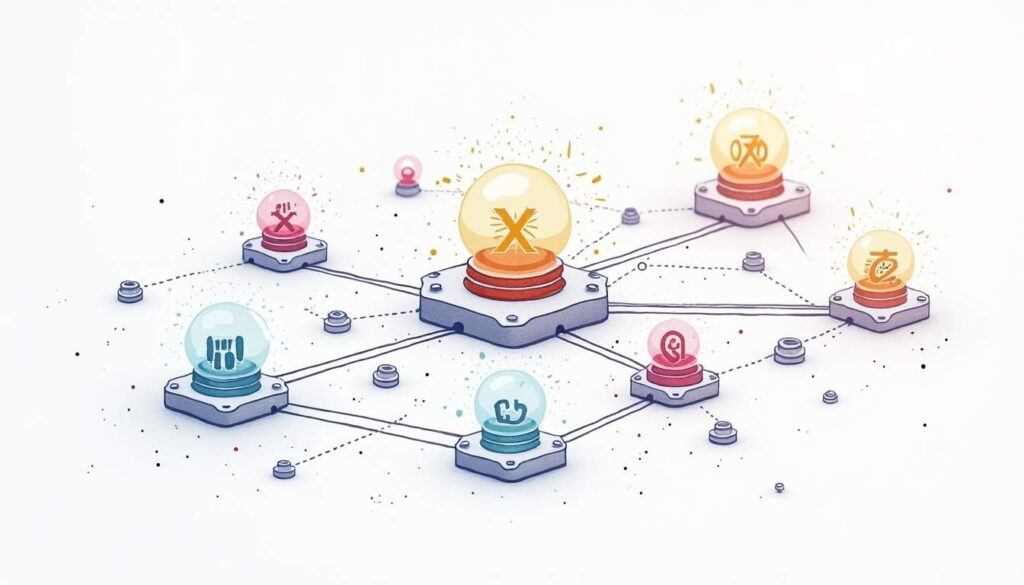
Validators play a crucial role by validating transactions and adding new blocks to the blockchain. In return, they earn XCN rewards, which incentivizes honest participation. Token holders who delegate their stake also receive a share of these rewards, encouraging community involvement. This dual-layer reward system not only fosters a sense of community but also ensures that the network remains decentralized and resilient against malicious attacks. By allowing users to choose their validators based on trust and performance, XCN empowers its community to actively shape the governance of the network.
Smart Contracts and dApps
The Chain network supports smart contracts, enabling developers to build decentralized applications (dApps) on top of its blockchain. These dApps can range from decentralized exchanges and lending platforms to gaming and NFT marketplaces. XCN is used within these applications for payments, fees, and governance, making it an integral part of the ecosystem. The flexibility of smart contracts allows for a wide array of functionalities, from simple transactions to complex automated processes that can execute based on predefined conditions.
One standout feature is the network’s compatibility with Ethereum Virtual Machine (EVM), which means developers familiar with Ethereum can easily port their projects to Chain. This interoperability broadens the scope for innovation and adoption. Additionally, the Chain network provides robust developer tools and comprehensive documentation, making it easier for newcomers to dive into blockchain development. The thriving developer community continuously contributes to the ecosystem, creating a rich library of resources and templates that can accelerate project development. As a result, the Chain network is not just a platform for financial transactions, but a vibrant ecosystem fostering creativity and technological advancement in the blockchain space.
Use Cases of XCN: Beyond Just a Token
Decentralized Finance (DeFi)
DeFi platforms built on Chain utilize XCN for lending, borrowing, and yield farming. Because the network is designed for speed and low fees, users can execute complex financial transactions without the delays and high costs often associated with other blockchains. This makes XCN a practical choice for DeFi enthusiasts looking for efficiency and reliability. Additionally, the integration of XCN into various DeFi protocols allows for innovative financial products, such as synthetic assets and decentralized insurance, further expanding the utility of the token. Users can leverage their XCN holdings in multiple ways, creating a dynamic ecosystem where liquidity and accessibility are paramount.
Governance and Community Involvement
Unlike many cryptocurrencies where governance is limited or centralized, XCN holders have real power. They can propose and vote on changes to the protocol, influencing everything from fee structures to network upgrades. This democratic approach ensures that the community’s voice shapes the future of the Chain network. Moreover, the governance model encourages active participation, as holders are often rewarded for their involvement in the decision-making process. This not only fosters a sense of community but also aligns the interests of all stakeholders, ensuring that the development of the network reflects the collective vision of its users.
Staking and Rewards
Staking XCN is a popular way for investors to earn passive income. By locking up their tokens, holders help secure the network and, in return, receive staking rewards. This mechanism not only incentivizes long-term holding but also contributes to network stability. Furthermore, the staking process is designed to be user-friendly, allowing even those new to cryptocurrency to participate without extensive technical knowledge. As the staking ecosystem matures, additional features such as tiered rewards and flexible staking options are being introduced, enhancing the appeal of XCN as a staking asset and encouraging broader participation from the community.
Investment Potential: What Should Investors Consider?
Market Position and Liquidity
XCN is listed on several reputable exchanges, providing decent liquidity for investors. However, it’s important to assess trading volumes and price volatility before diving in. While the token has shown promising growth, like all cryptocurrencies, it remains subject to market swings. Additionally, investors should consider the overall market sentiment, as external factors such as macroeconomic trends and regulatory news can significantly influence liquidity. The presence of market makers and institutional investors can also enhance the trading environment, making it easier for individuals to enter and exit positions without causing drastic price movements.
Project Development and Roadmap
One of the key indicators of XCN’s potential is the Chain network’s development activity. The project maintains an active roadmap with clear milestones, including protocol upgrades, partnerships, and ecosystem expansion. Investors should keep an eye on these developments as they can significantly impact token value. Furthermore, the team behind XCN is known for its transparency and community engagement, regularly updating stakeholders through webinars and social media channels. This level of communication not only fosters trust but also allows investors to gauge the project’s progress and adapt their strategies accordingly. Innovations such as new features or integrations with other platforms can also create additional use cases for XCN, further enhancing its market appeal.
Risks and Challenges
No investment is without risk, and XCN is no exception. The crypto space is highly competitive, and Chain faces challenges from larger, more established networks. Regulatory uncertainties also pose risks that could affect adoption and price. Due diligence and risk management are essential for anyone considering XCN. Moreover, the rapid pace of technological advancement in the blockchain space means that projects must continuously innovate to stay relevant. Investors should be aware of potential technological risks, such as security vulnerabilities or scalability issues, that could arise as the network grows. Additionally, the reliance on community support and developer engagement can be a double-edged sword; while a strong community can drive growth, any signs of disengagement or dissatisfaction could negatively impact the project’s trajectory.
How to Buy and Store XCN Safely
Purchasing XCN
Buying XCN typically involves registering on a cryptocurrency exchange that supports the token. Popular platforms include Binance, Coinbase, and Kraken. After completing the necessary verification steps, investors can deposit fiat currency or other cryptocurrencies and trade for XCN.
It’s advisable to start with small amounts to familiarize yourself with the process and avoid impulsive decisions driven by market hype.
Wallet Options for XCN
Once purchased, storing XCN securely is crucial. Hardware wallets like Ledger or Trezor offer the highest security by keeping private keys offline. For those who prefer convenience, software wallets compatible with EVM tokens, such as MetaMask, are good alternatives but come with higher risk due to potential online vulnerabilities.
Always enable two-factor authentication and keep backup phrases safe to protect your holdings.
Future Outlook: What Lies Ahead for XCN?
The future of XCN depends largely on the Chain network’s ability to attract developers and users. Its technical strengths position it well to compete in the DeFi space, but adoption will be the ultimate test. Partnerships with other blockchain projects and integration into mainstream financial services could accelerate growth.
Additionally, ongoing improvements to scalability and user experience will be vital. If the Chain network can maintain a balance between innovation and security, XCN could become a staple in many investors’ portfolios.
Final Thoughts
XCN crypto offers a compelling mix of technology, utility, and community governance. For investors willing to navigate the complexities of the crypto market, it presents an opportunity to engage with a promising project that goes beyond mere speculation. Understanding its mechanics, use cases, and risks is the first step toward making informed decisions.

As always, thorough research and prudent investment strategies are key. Keep an eye on the Chain network’s evolution, and consider how XCN fits into your broader investment goals before committing your capital.